FY2025 IMPACT REPORT
FY2025 IMPACT REPORT
Read on to find out what we achieved with the backing of our tenacious supporters.
EXPANDING PATHWAYS TO HOUSING SECURITY
In 2025, NIVAS strengthened housing security for women-led families by expanding beyond construction to address the systems that make homes safe, legal, resilient, and lasting.
Safe, permanent housing has always been the foundation of NIVAS’s work. Over the past year, that foundation was reinforced by deepening the systems that protect families over time - ensuring they can not only build, but can legally secure and sustain resilient homes for generations. This approach reflects what NIVAS has learned through more than a decade of partnership with women and communities across Nepal: housing stability depends on rights, resilience, and local systems working together.
Throughout Nepal, many families have no home or very unsafe shelter, yet even more live in homes without secure land tenure, leaving them vulnerable to eviction, displacement, and loss of assets during times of turmoil.
Across Nepal, many families live in overcrowded, structurally unsafe or temporary housing, yet even more live in homes without secure land tenure, leaving them vulnerable to eviction, displacement, and loss of assets during times of turmoil.
In response, NIVAS has integrated disaster-resilient home construction with land and housing rights training, local advocacy, and household income support. In 2025, this integrated model reached more than 11,000 people, strengthening housing security not only for individual households, but across communities and local institutions.
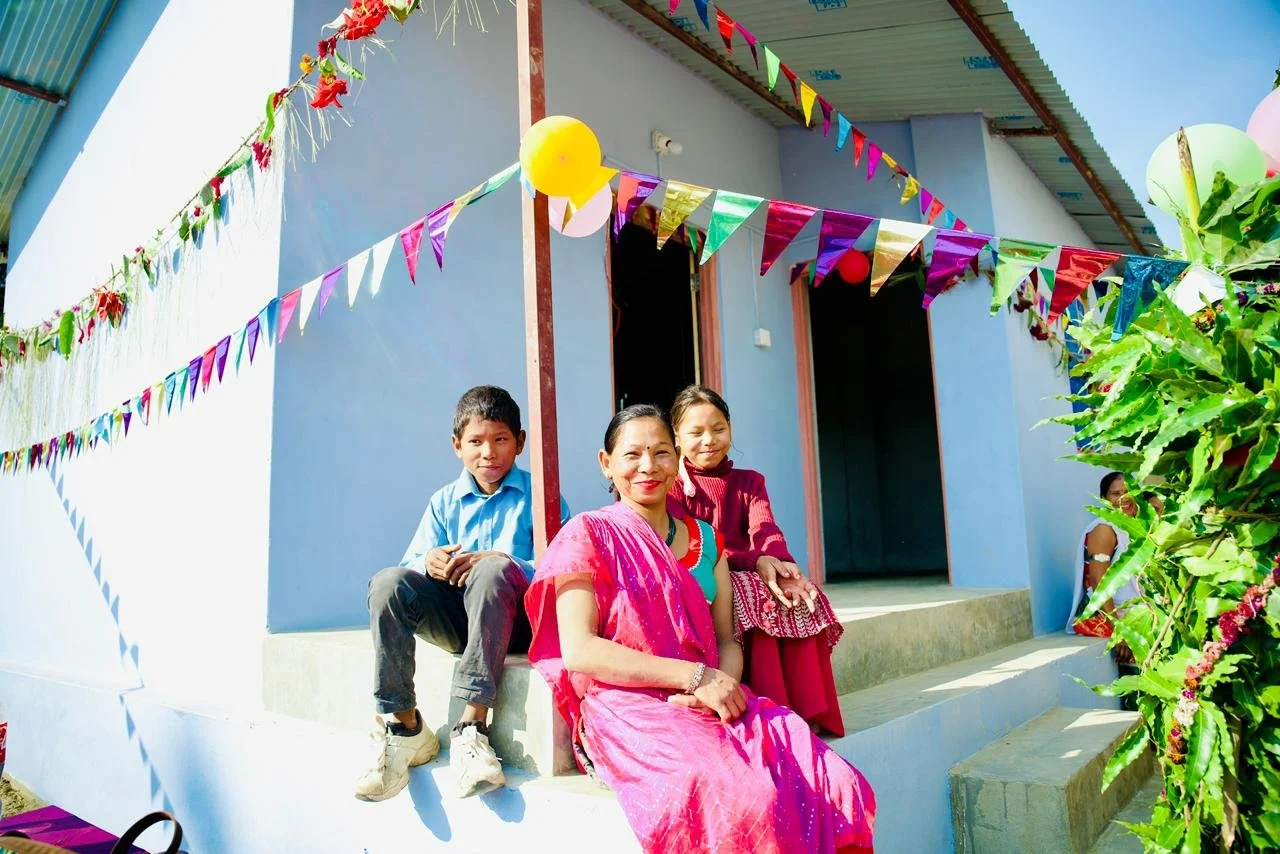
HOMEOWNERSHIP FOR WOMEN-LED FAMILIES
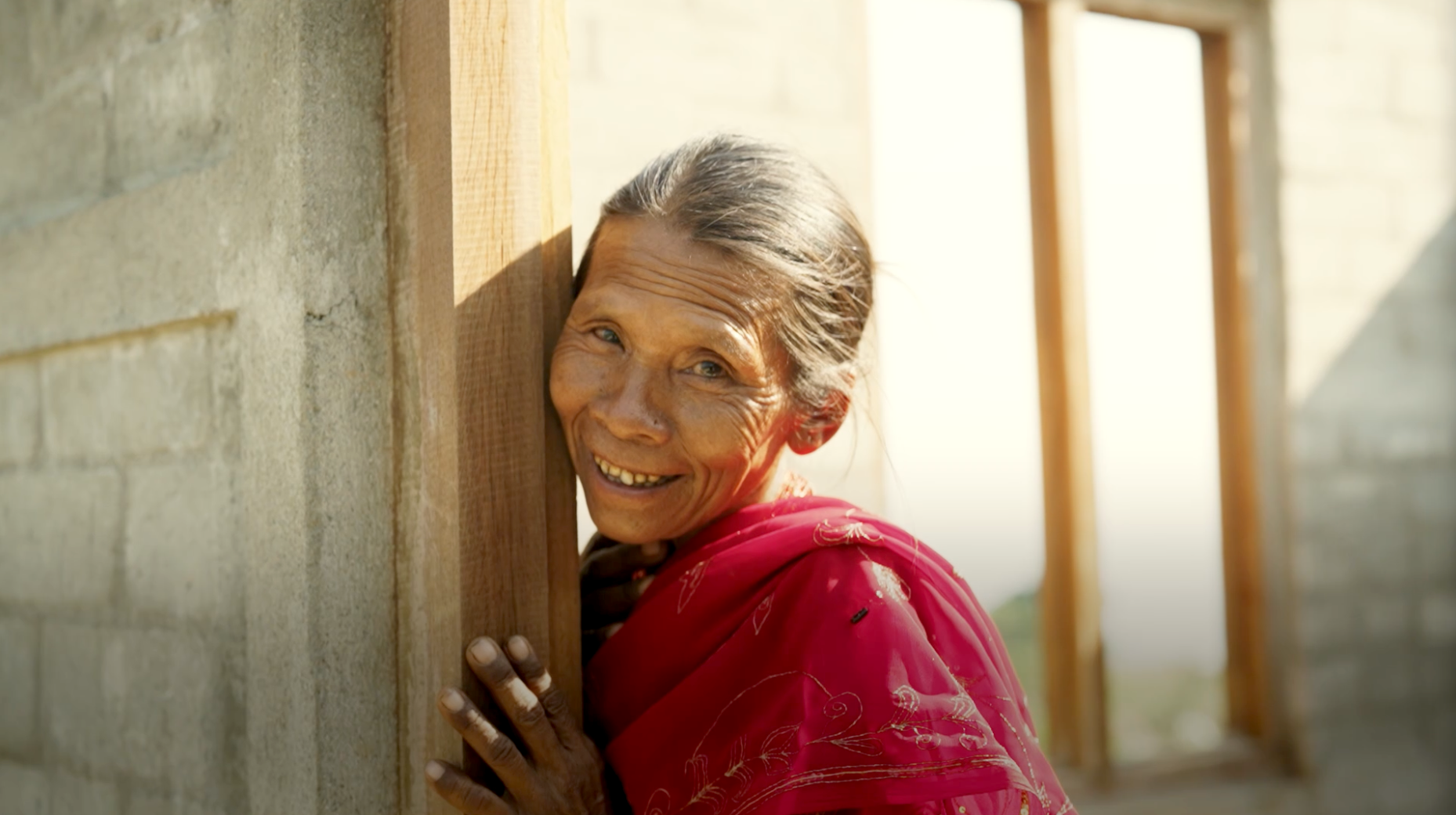
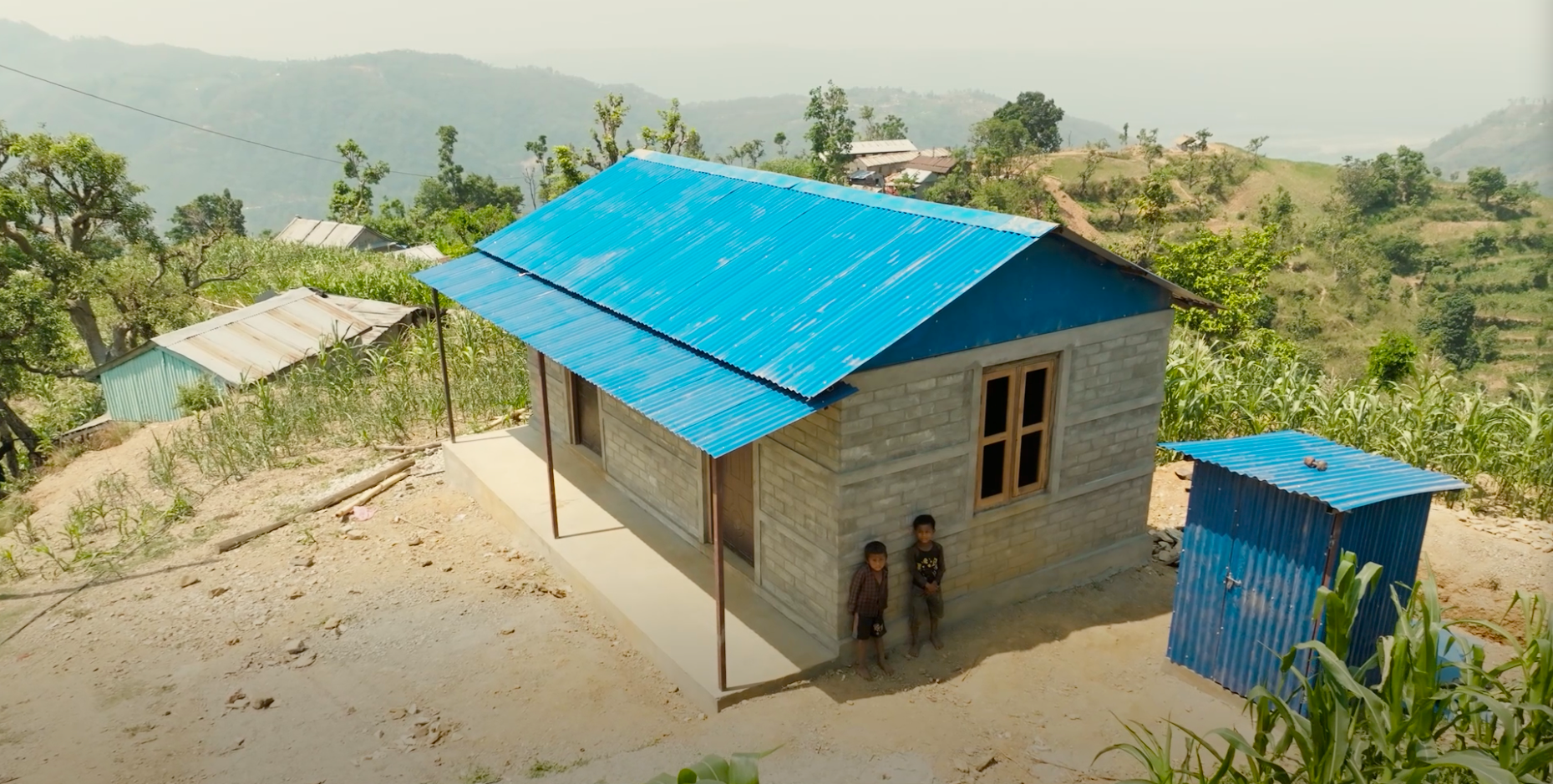
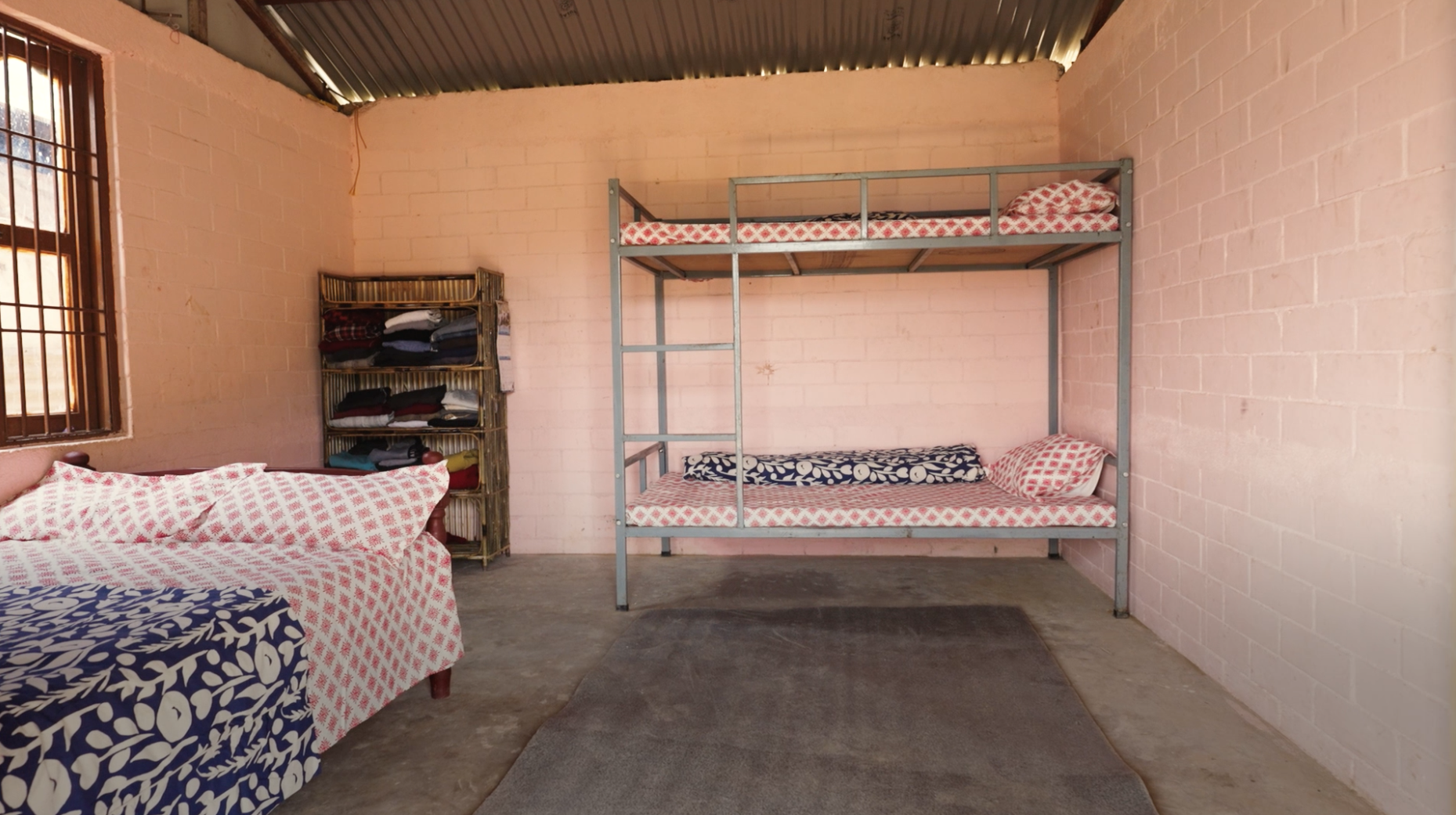
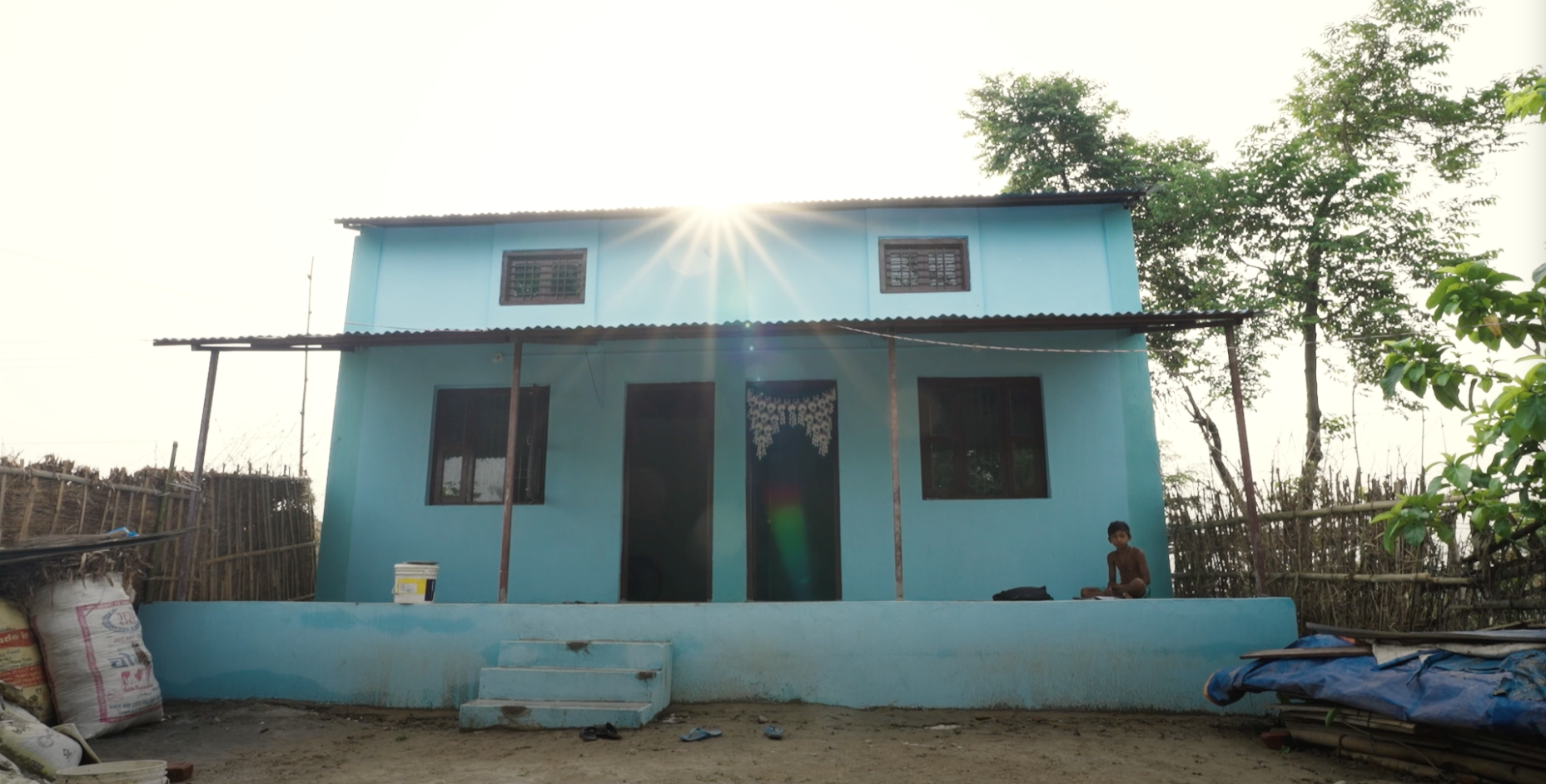
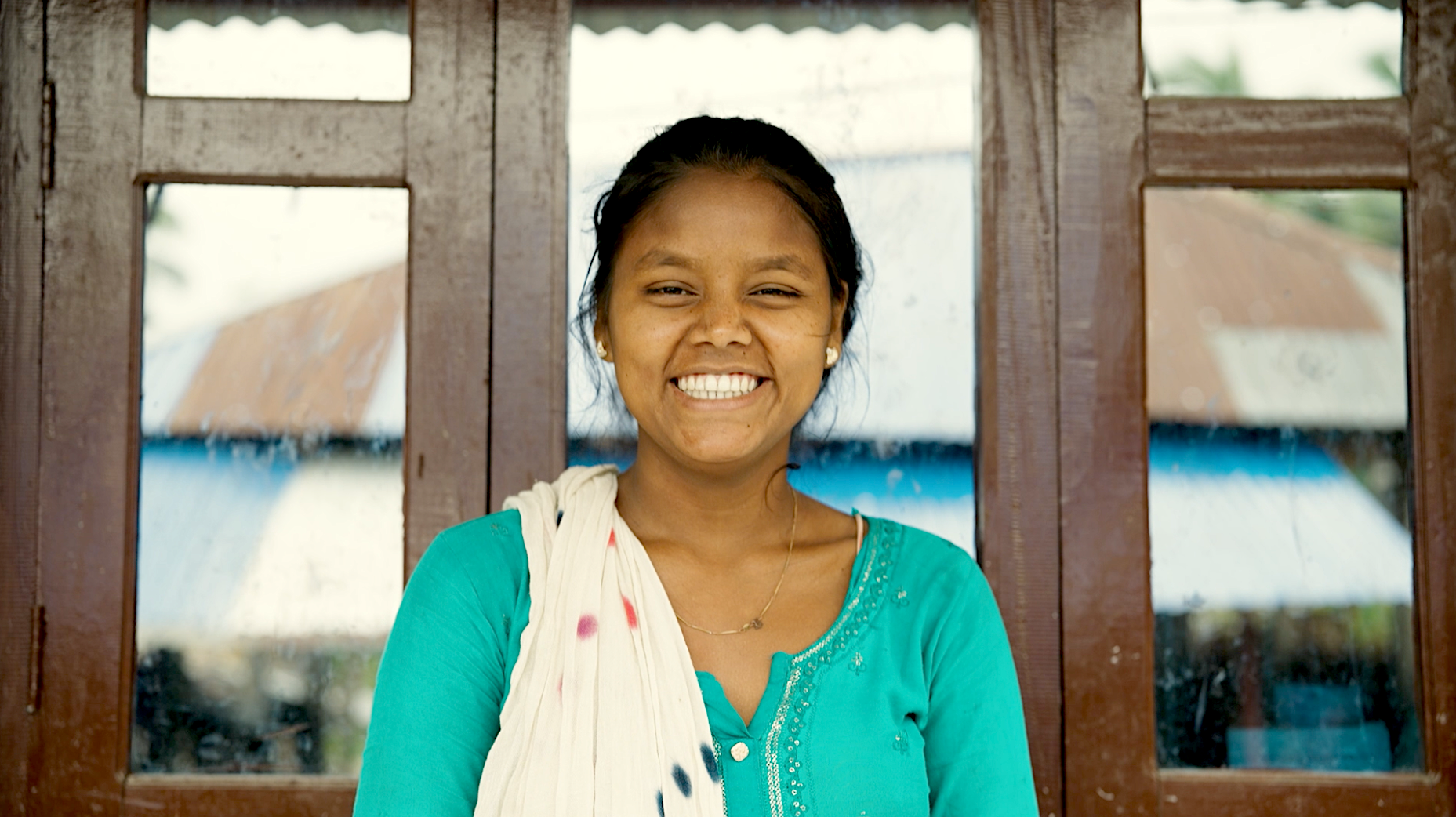
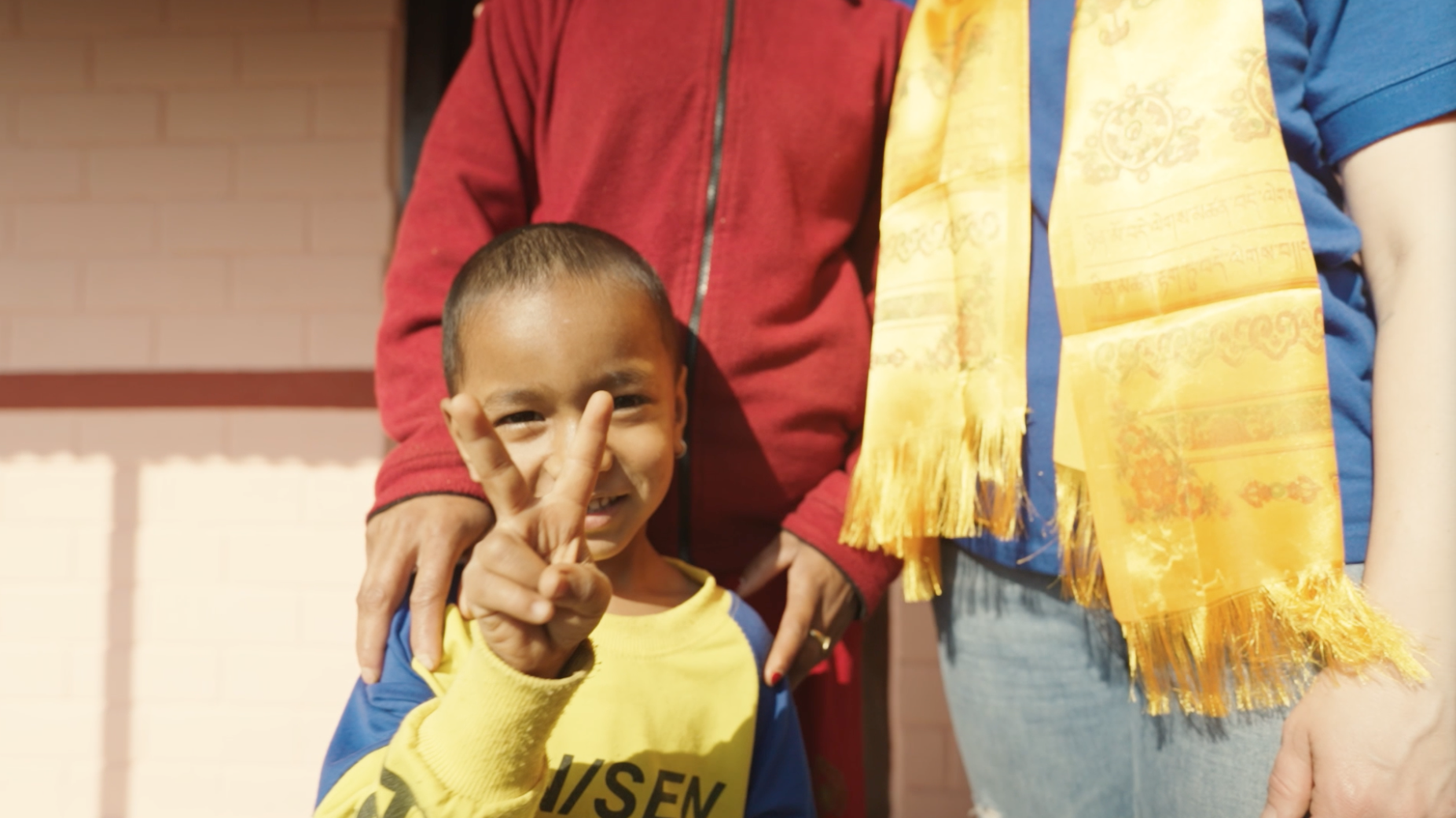
Women-led families built permanent homes and secured legal ownership, creating long-term stability for children.
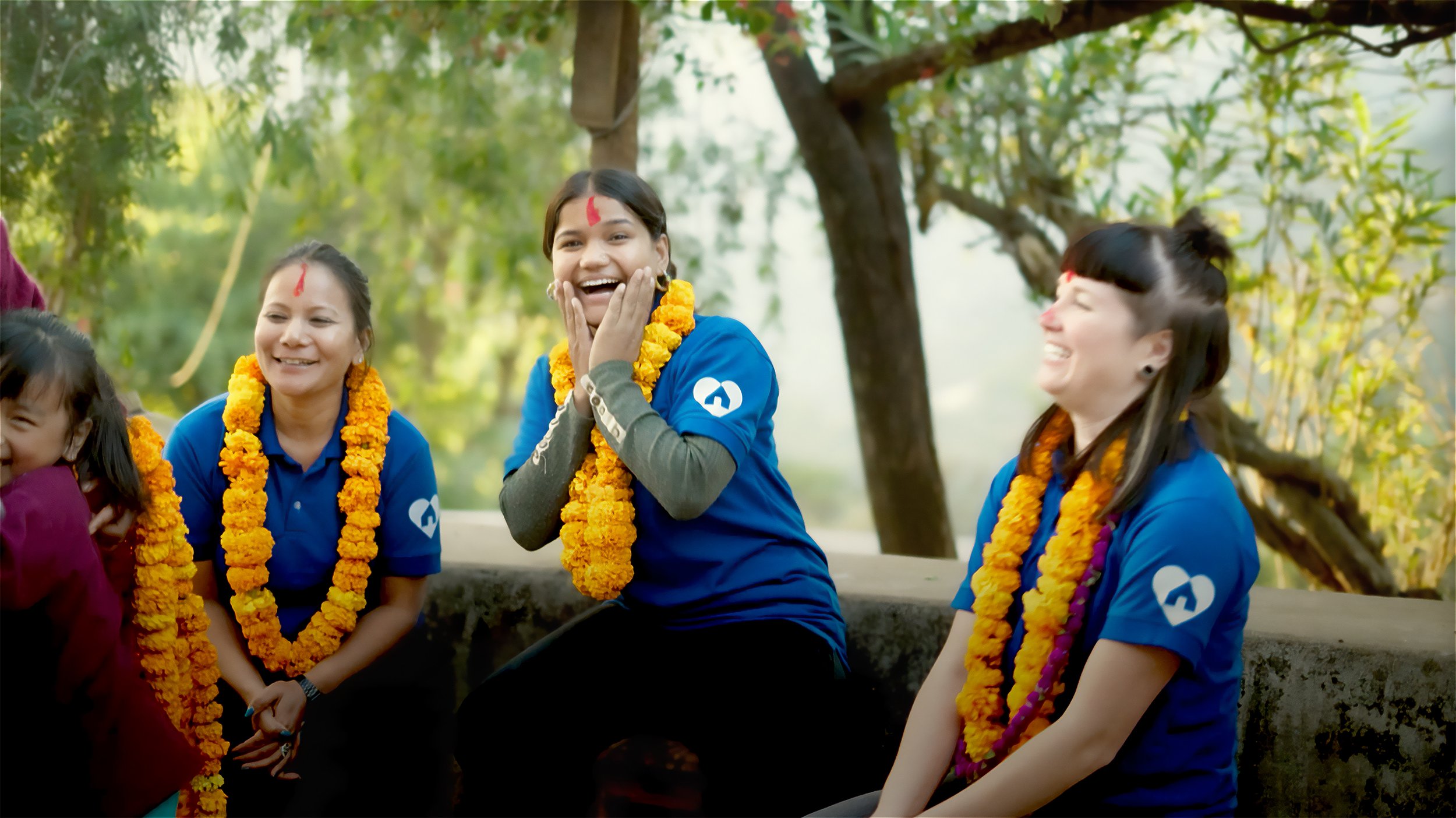
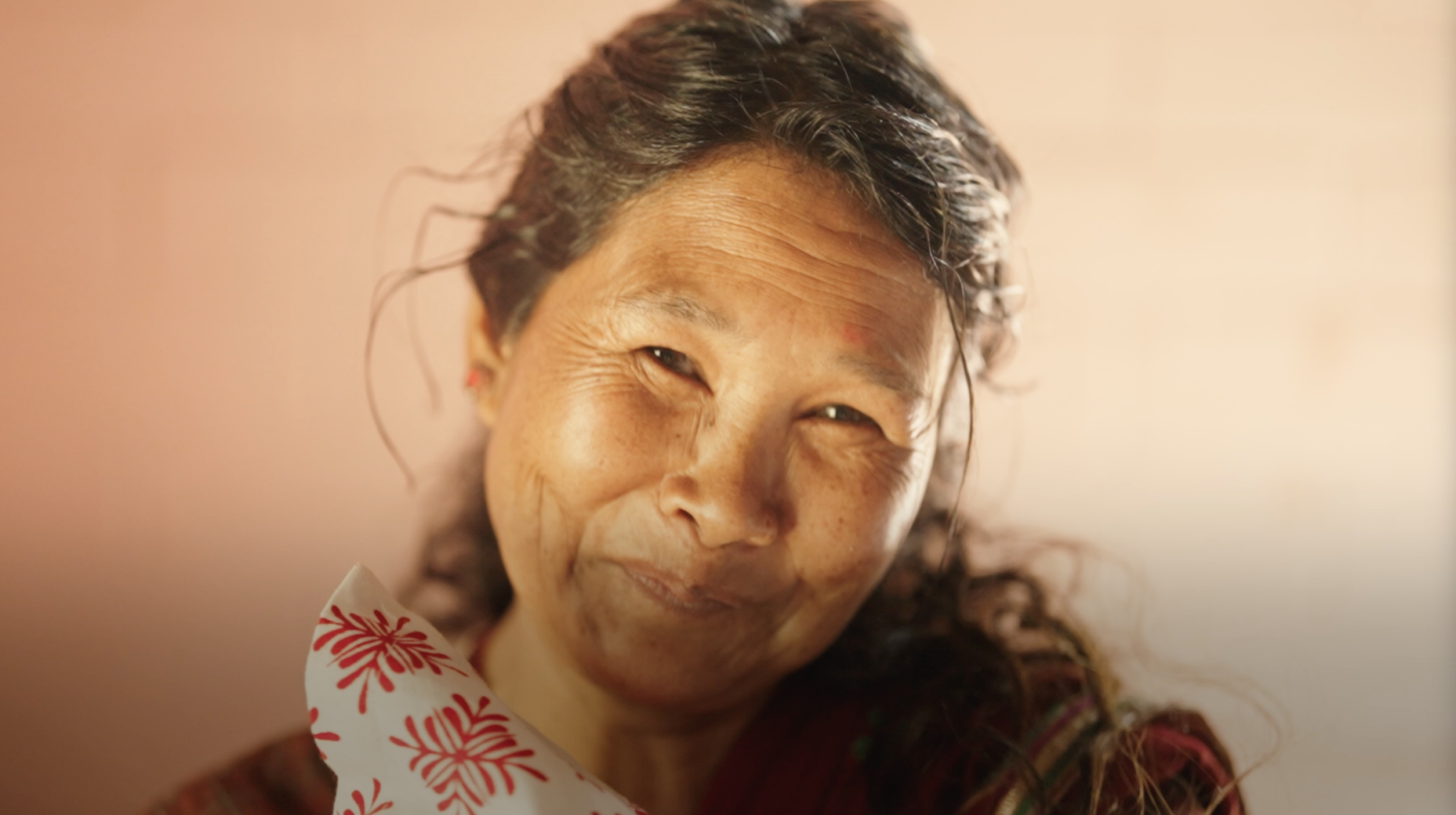
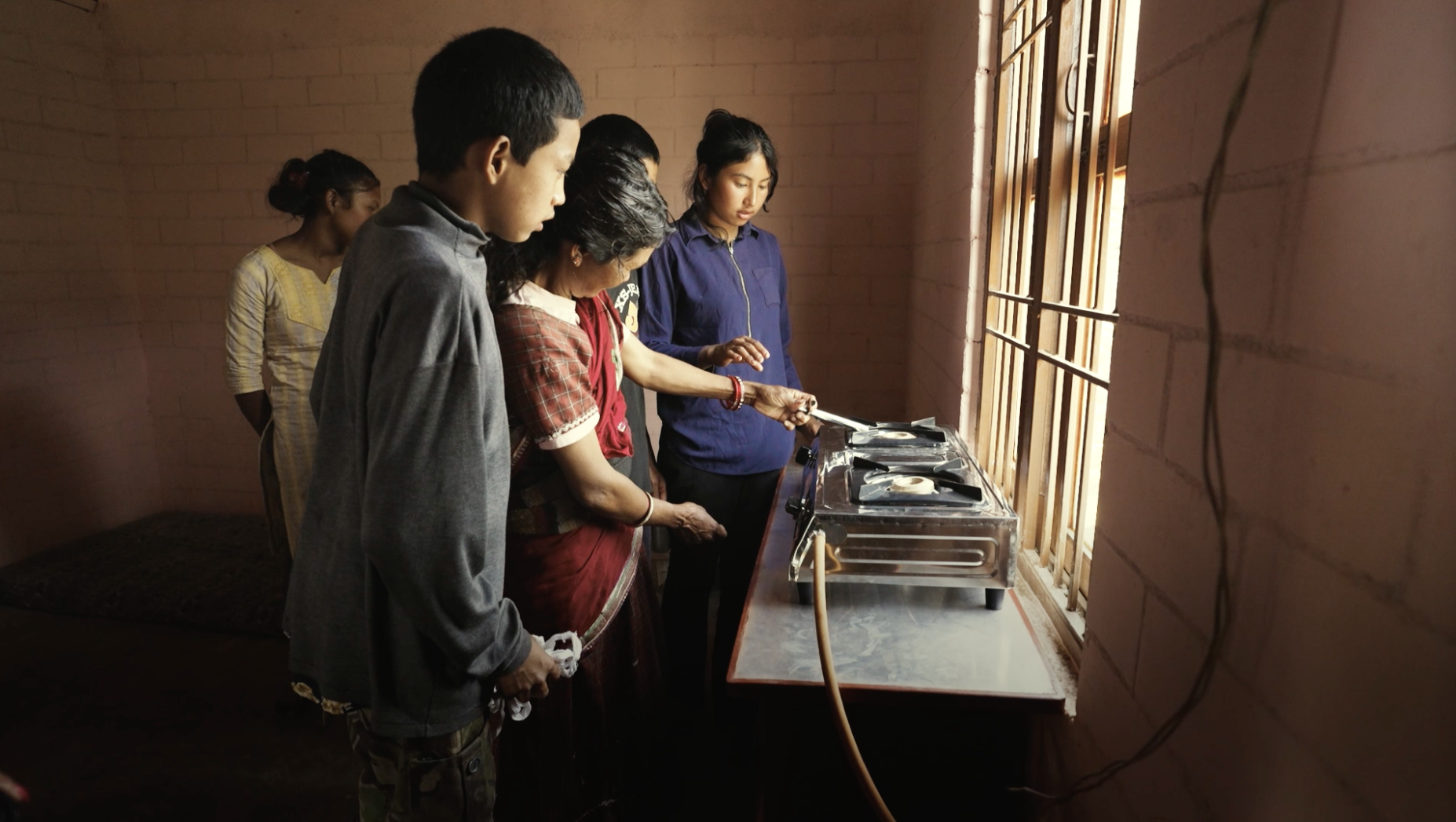
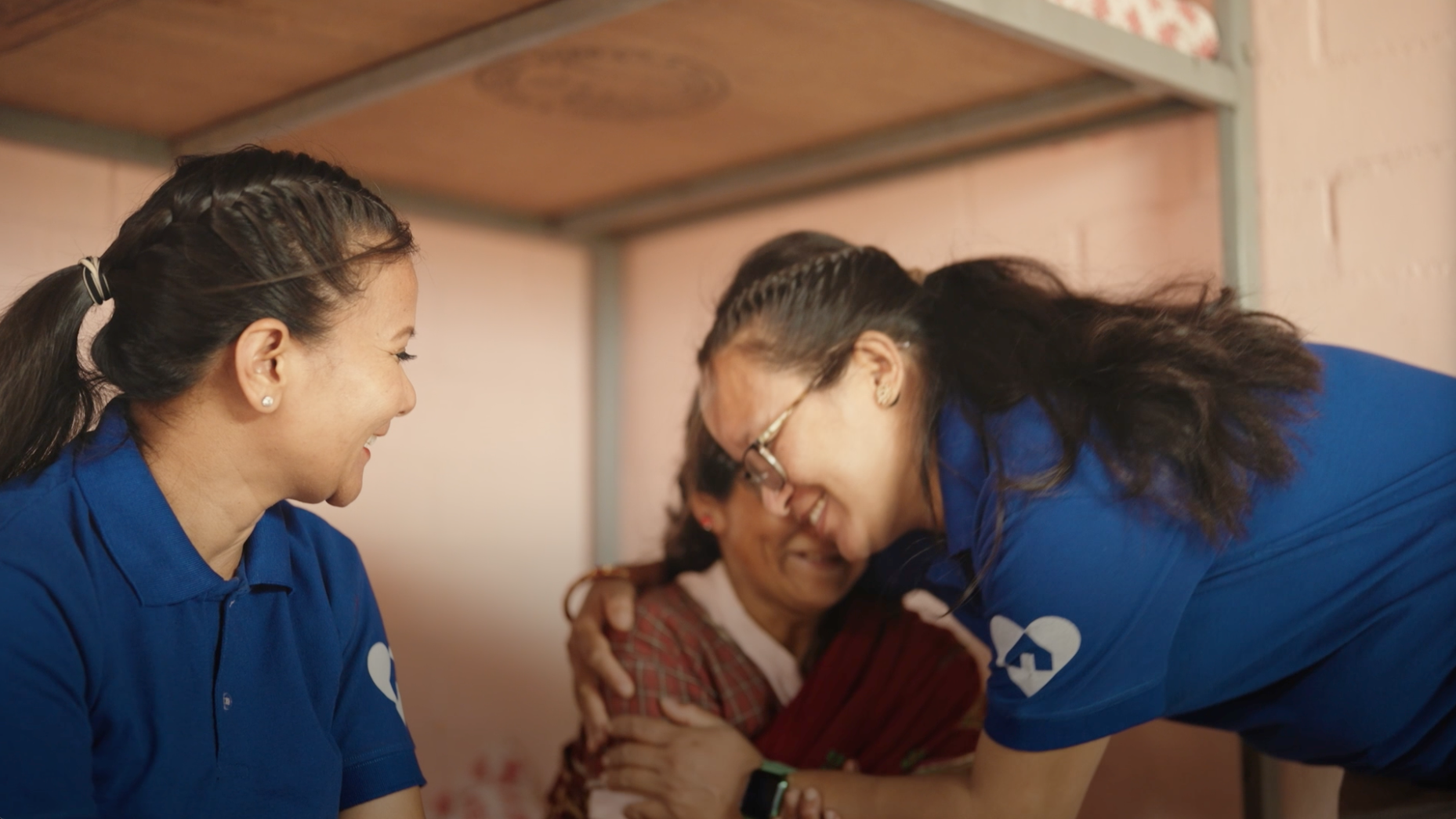
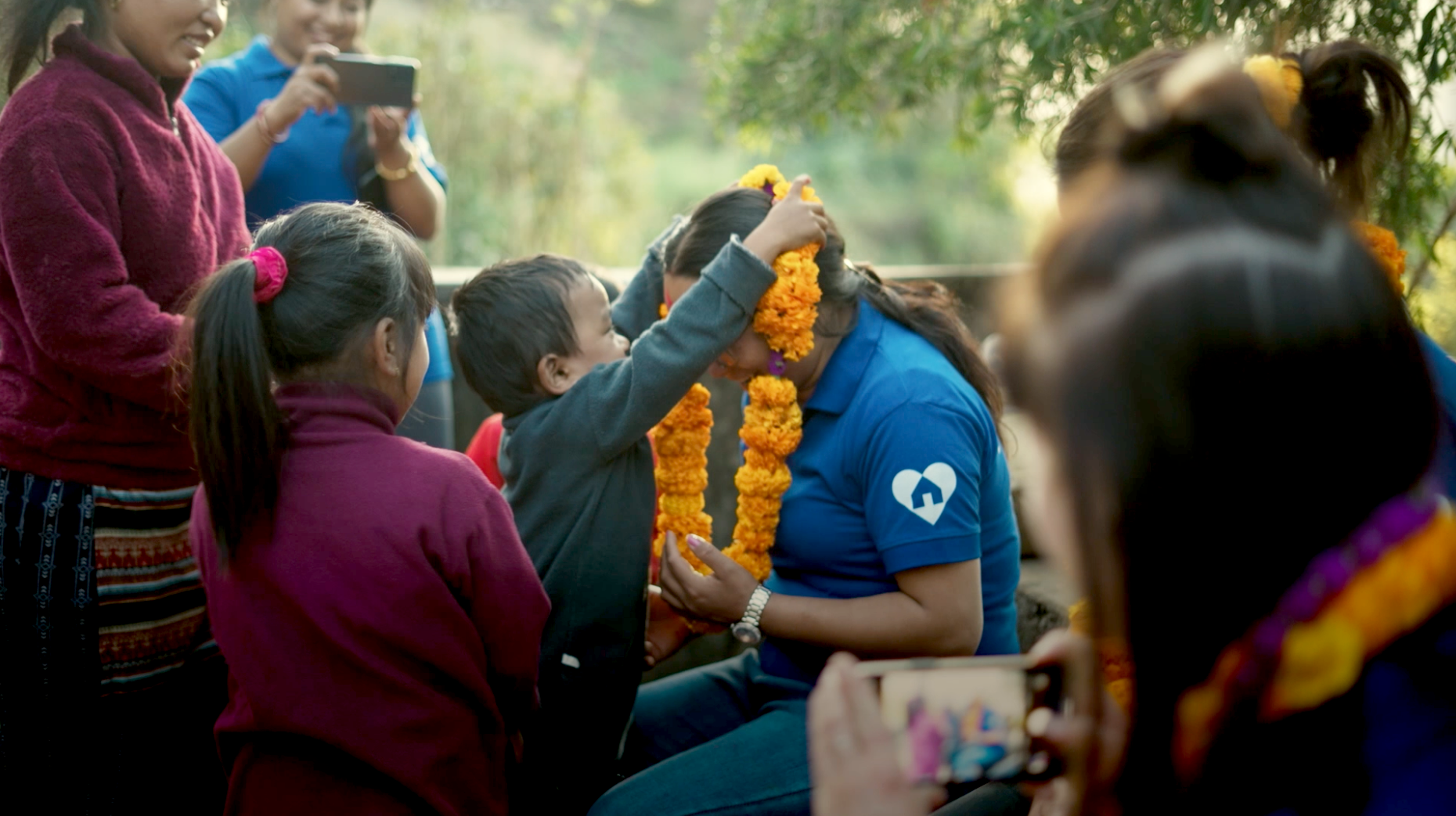
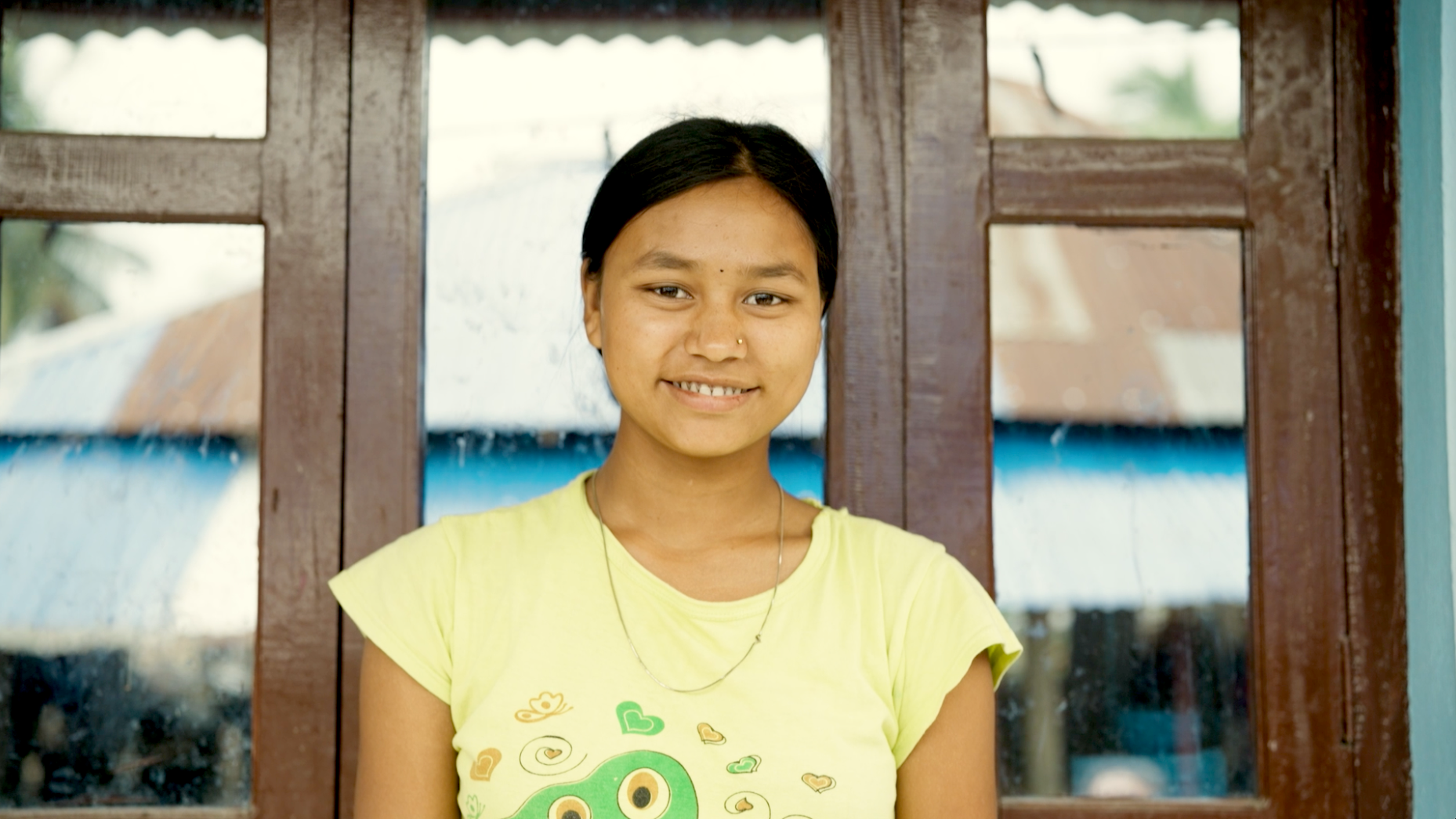
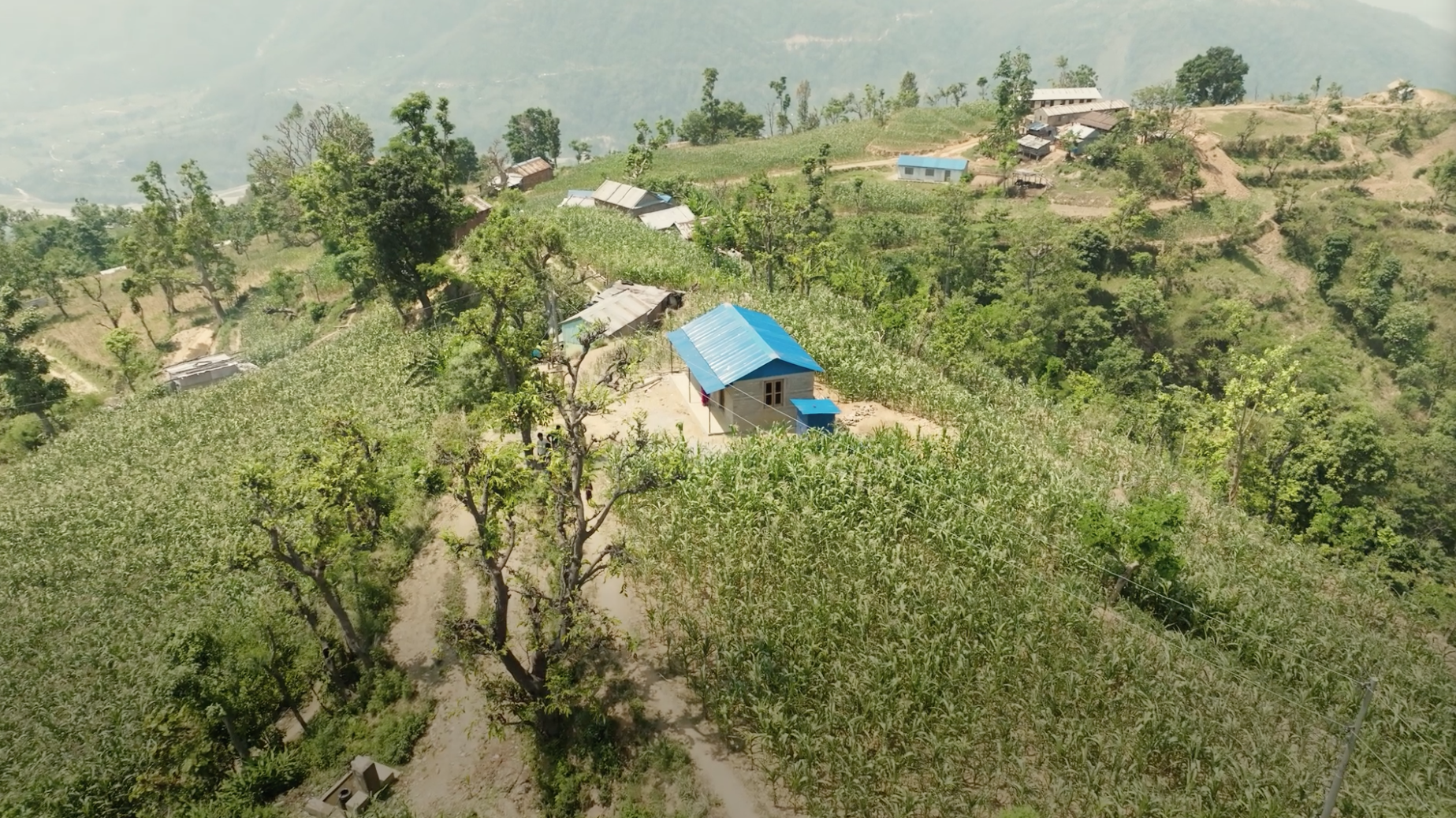
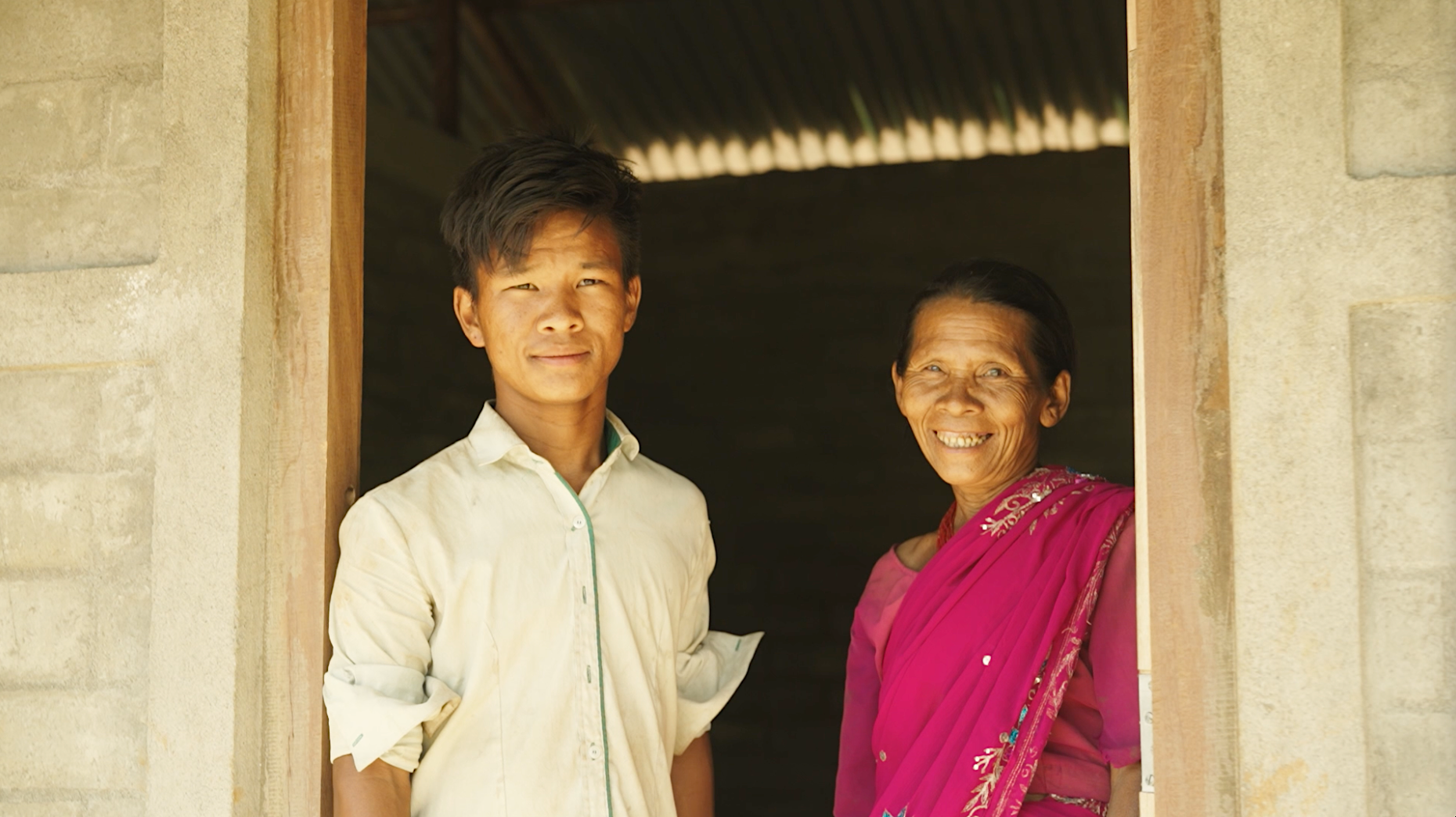
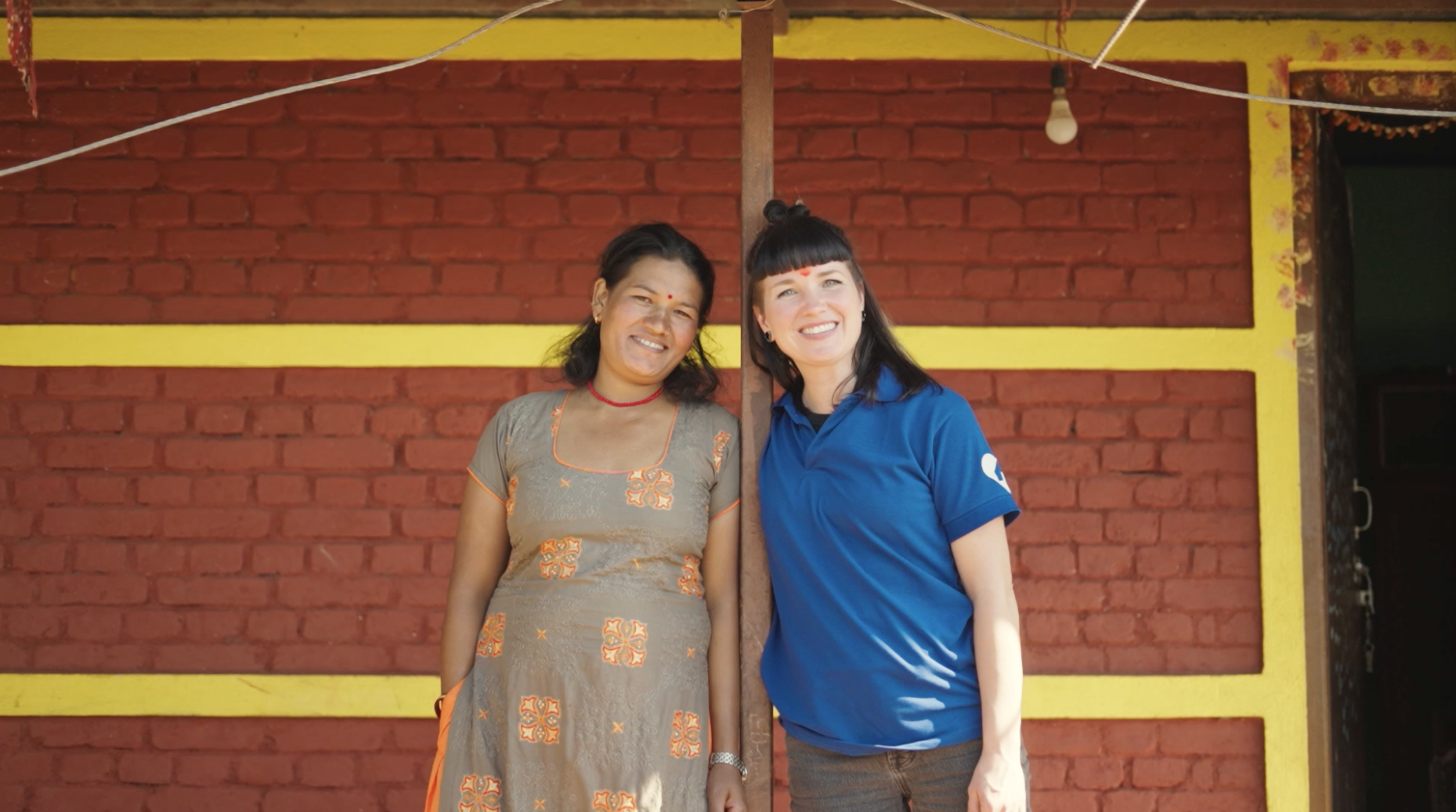
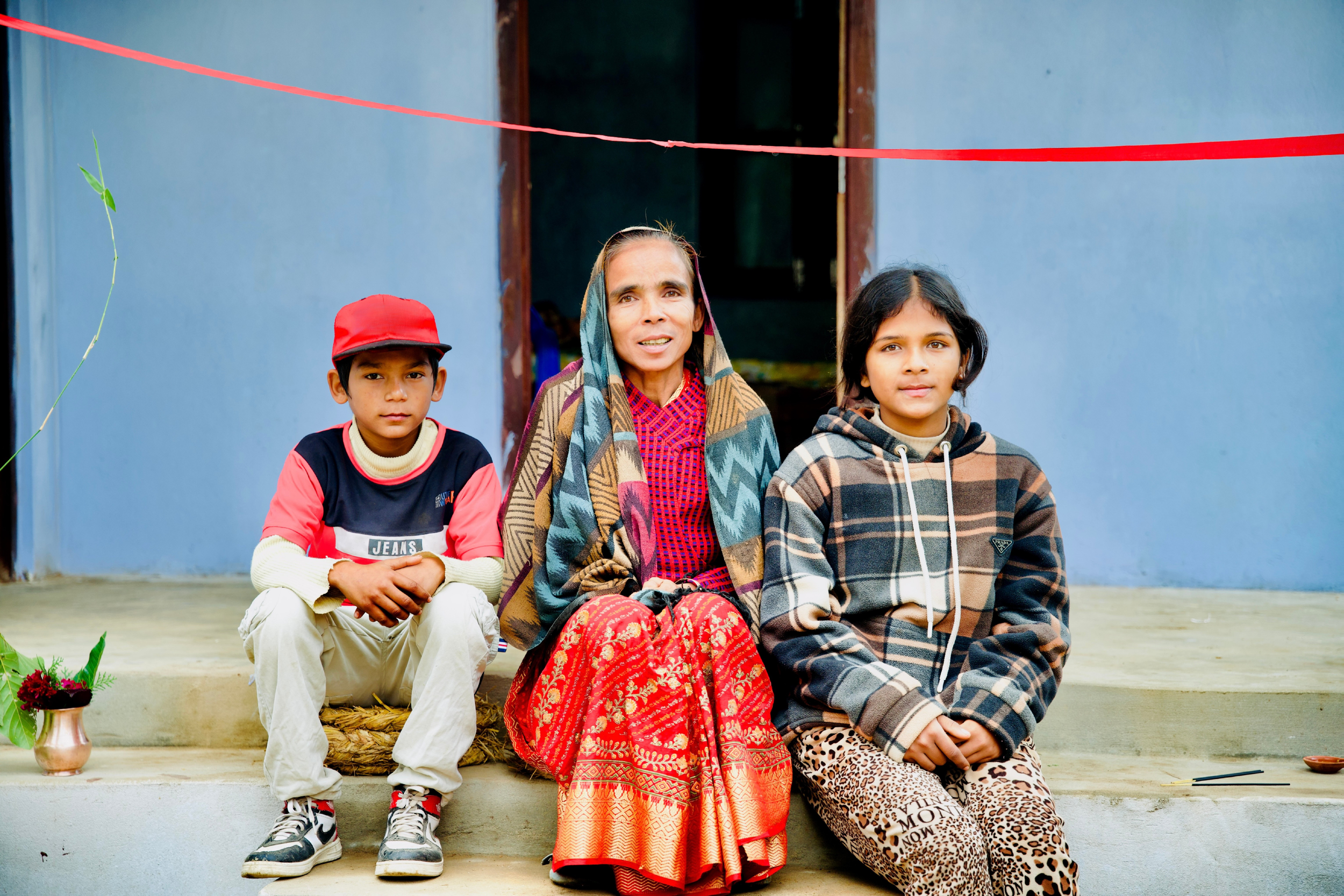
In 2025, women-led families partnered with NIVAS to do something transformative: build their dream homes. For single mothers and grandmothers who have spent years surviving in unsafe, overcrowded, or temporary shelter, constructing a permanent home marked a decisive shift—from insecurity to possibility.
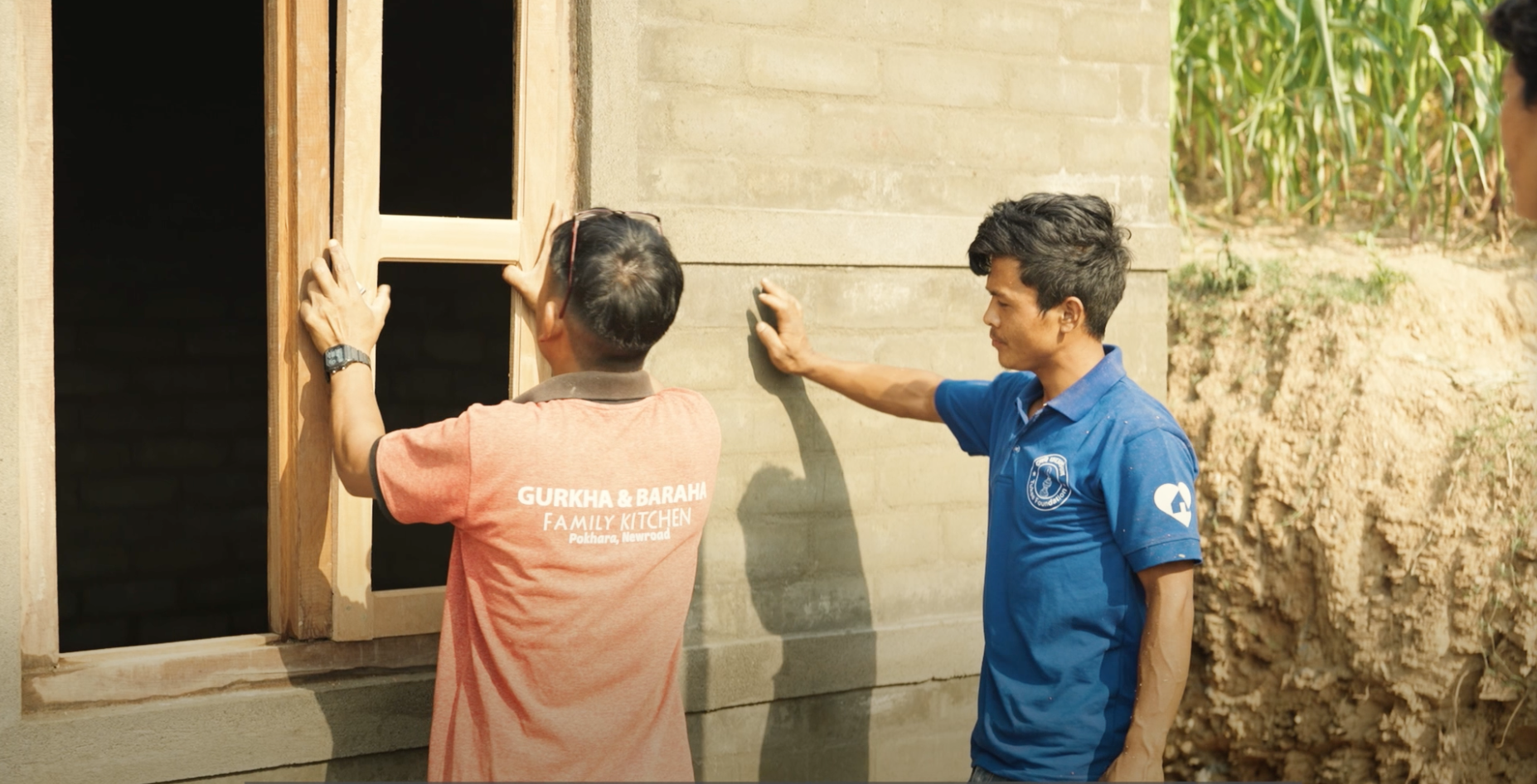
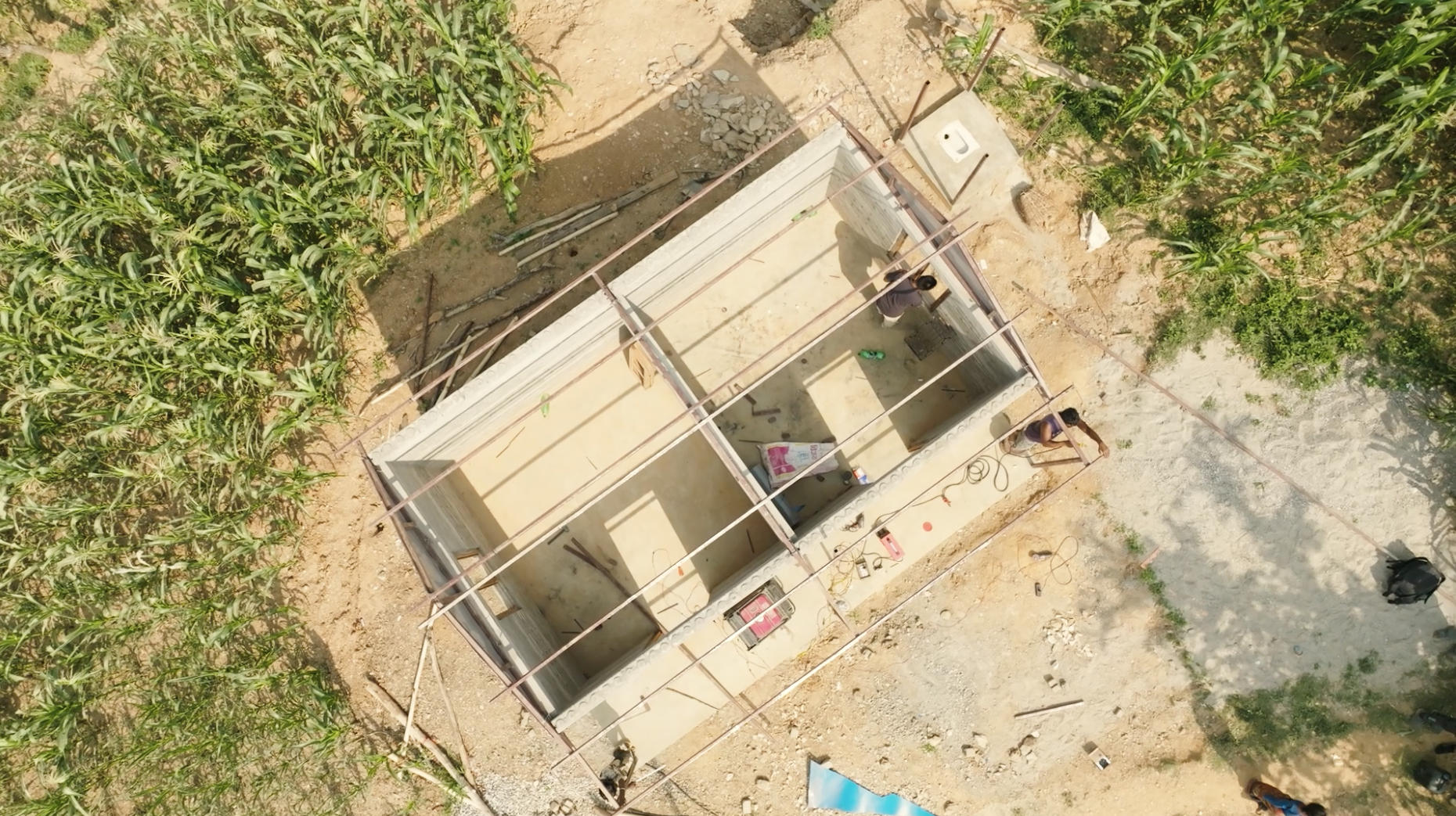
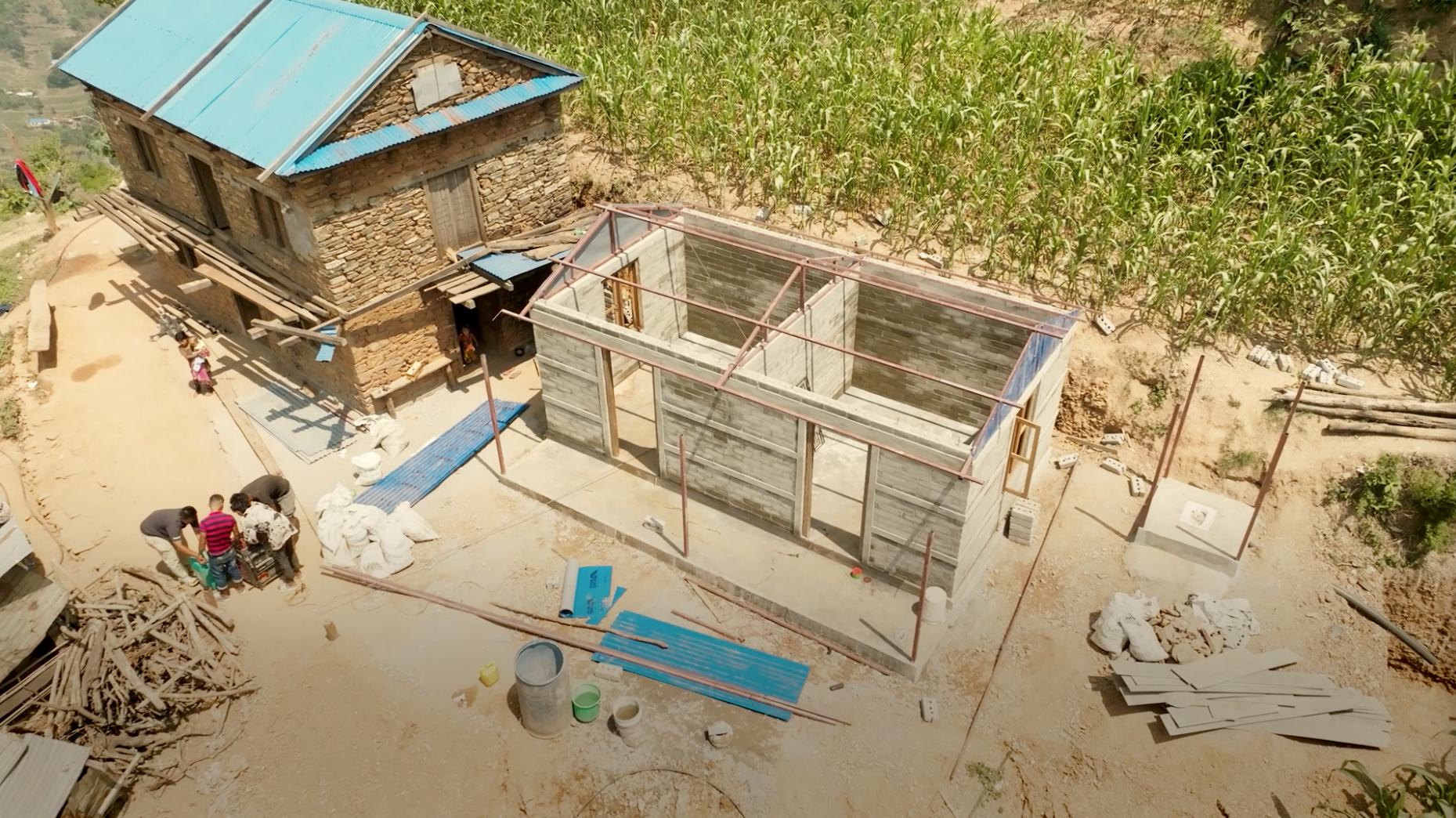
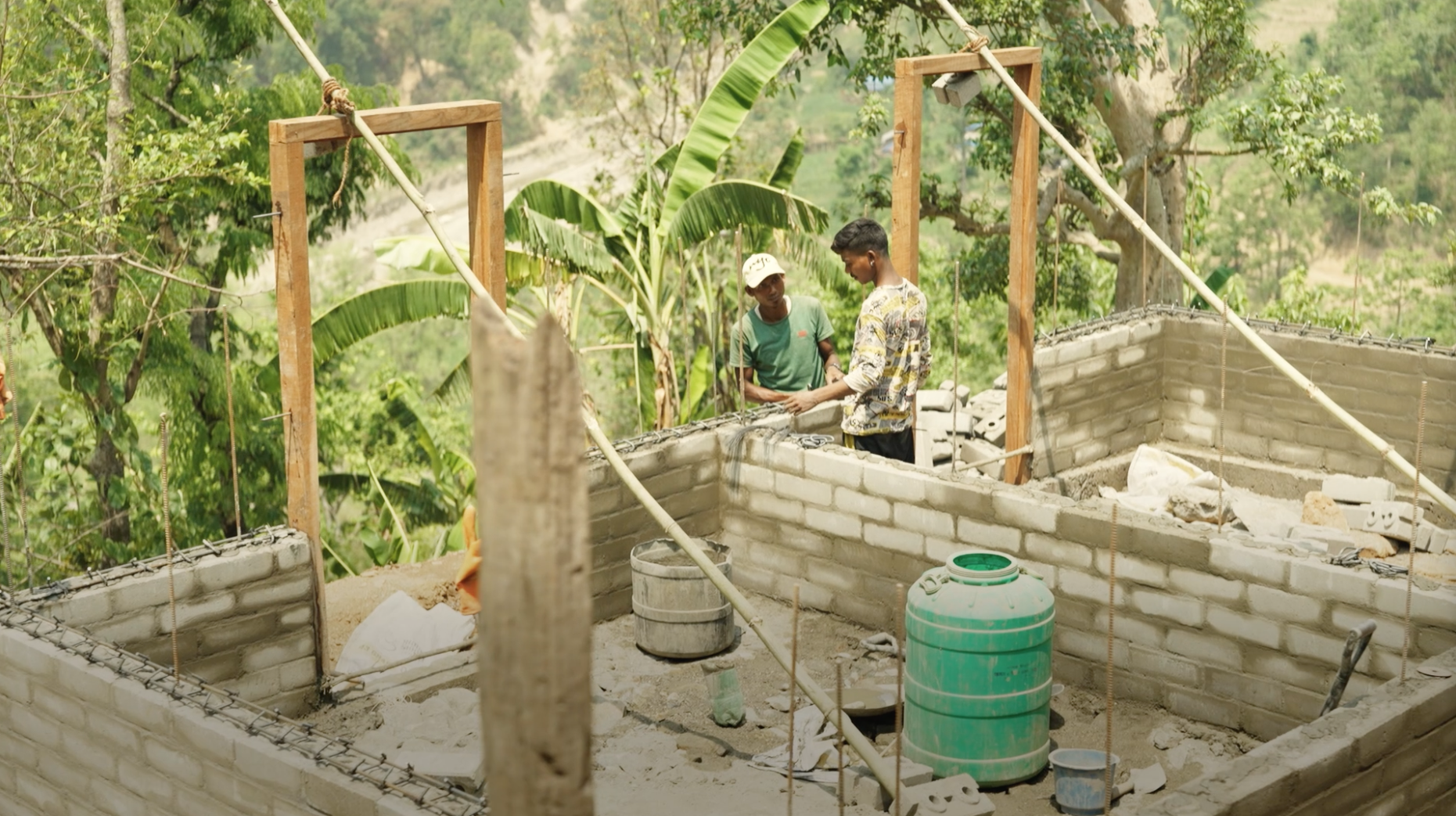
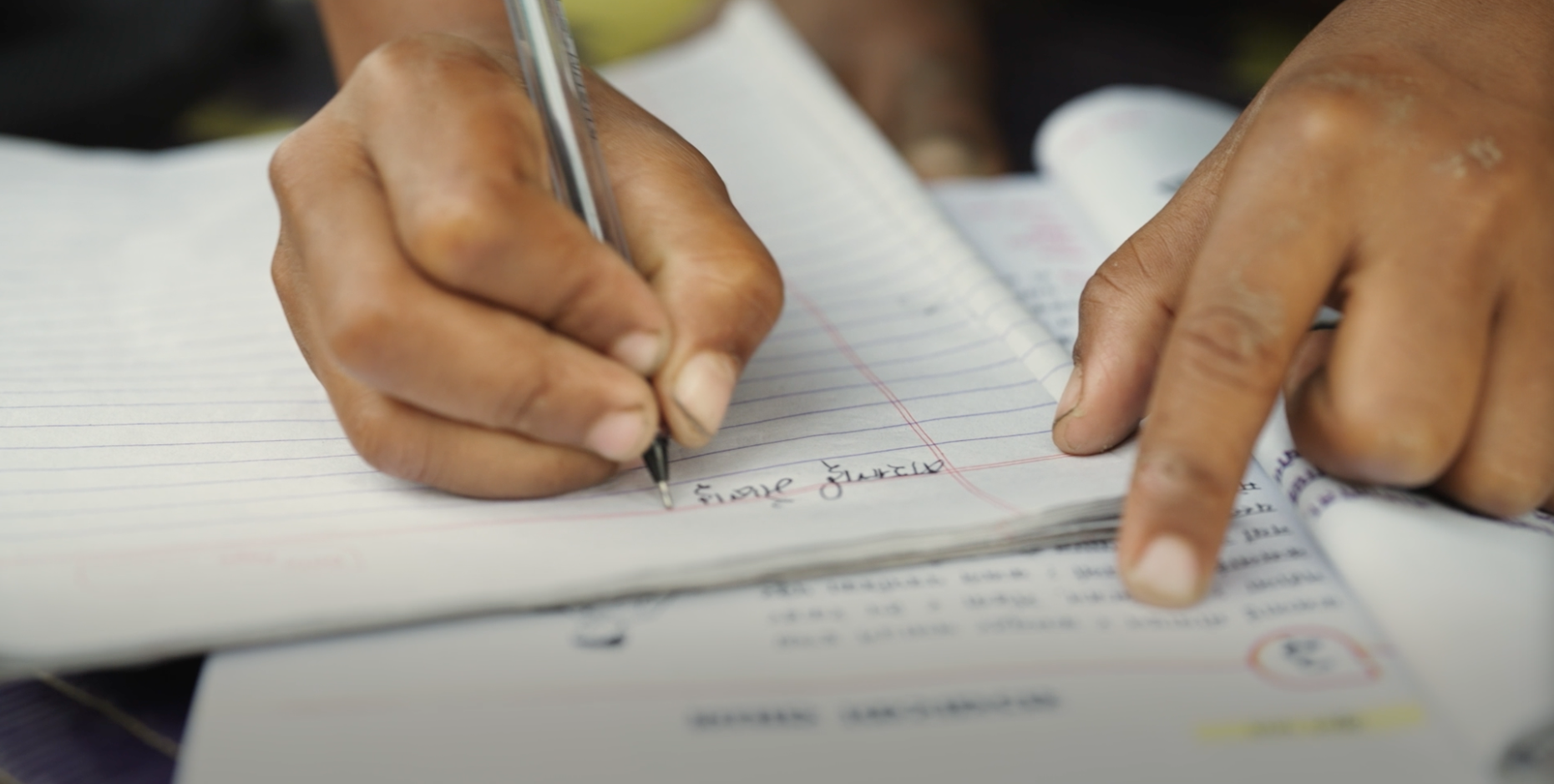
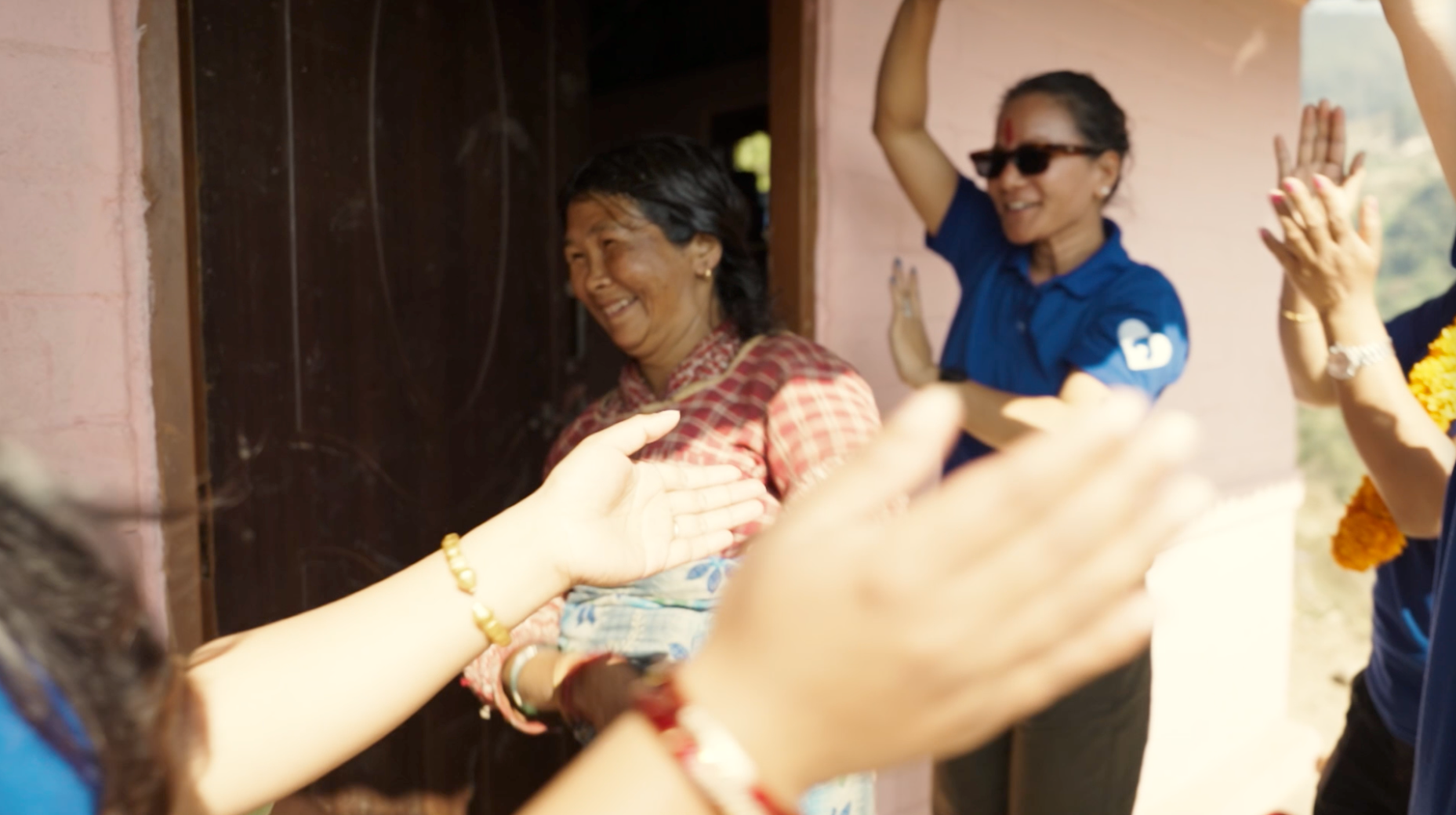
Each homeowner is an active participant in the construction process unless a prohibitive disability makes this impossible. They mix concrete, carry materials, stack masonry, and make decisions alongside engineers and builders. Building with their own labor deepens ownership, strengthens technical understanding, and reinforces each homeowner’s ability to maintain their new structure over time.
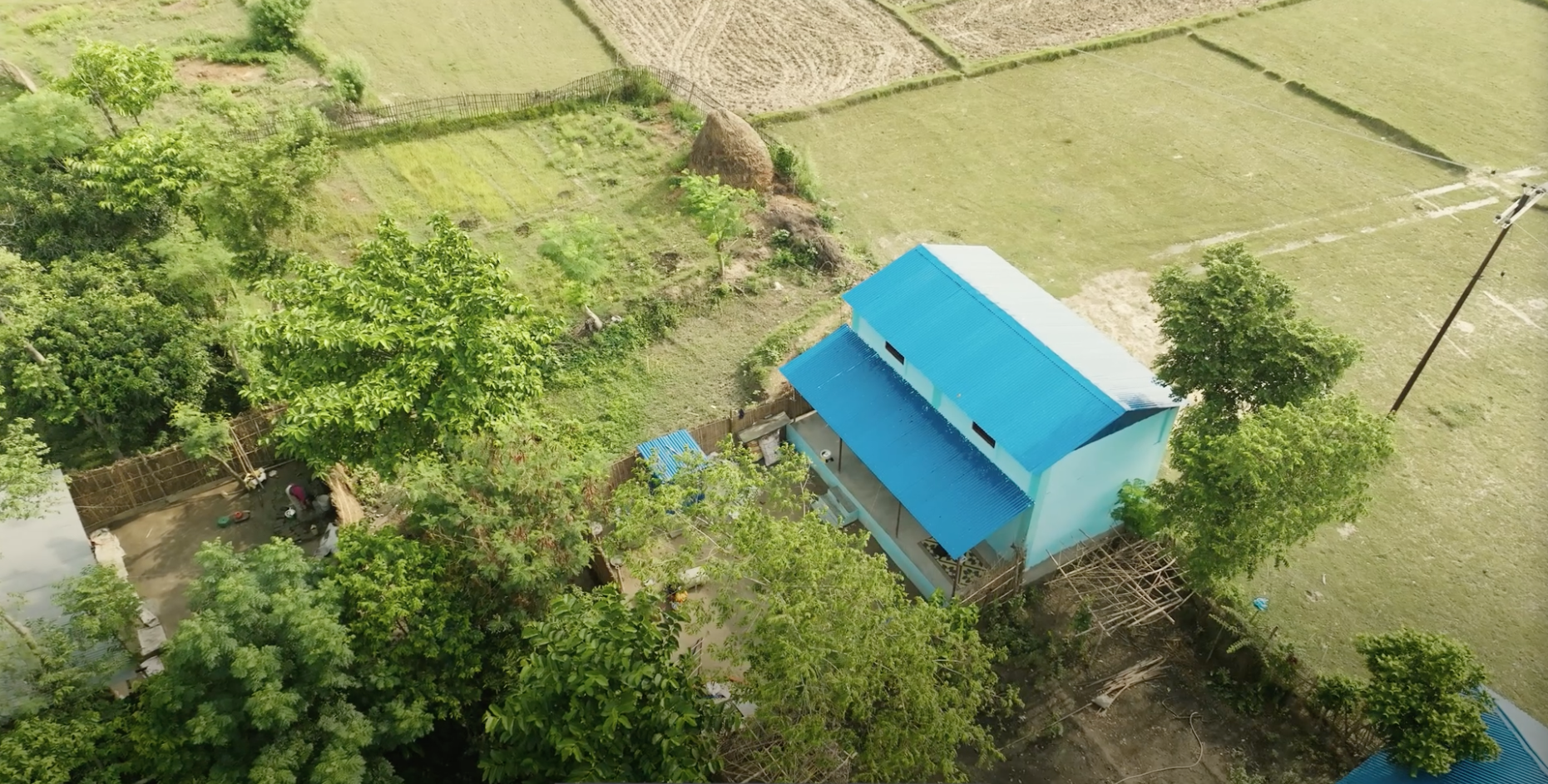
In 2025, 40 moms, grandmas, and their kids joined to build new permanent homes and through this process created demonstration builds in communities across Central and Western Nepal, where citizens came together to learn, to gain employable skills, to collaborate and to work. This community-driven process prioritizes families facing the greatest housing need, while building shared knowledge, skills, and access that support future resilient housing.
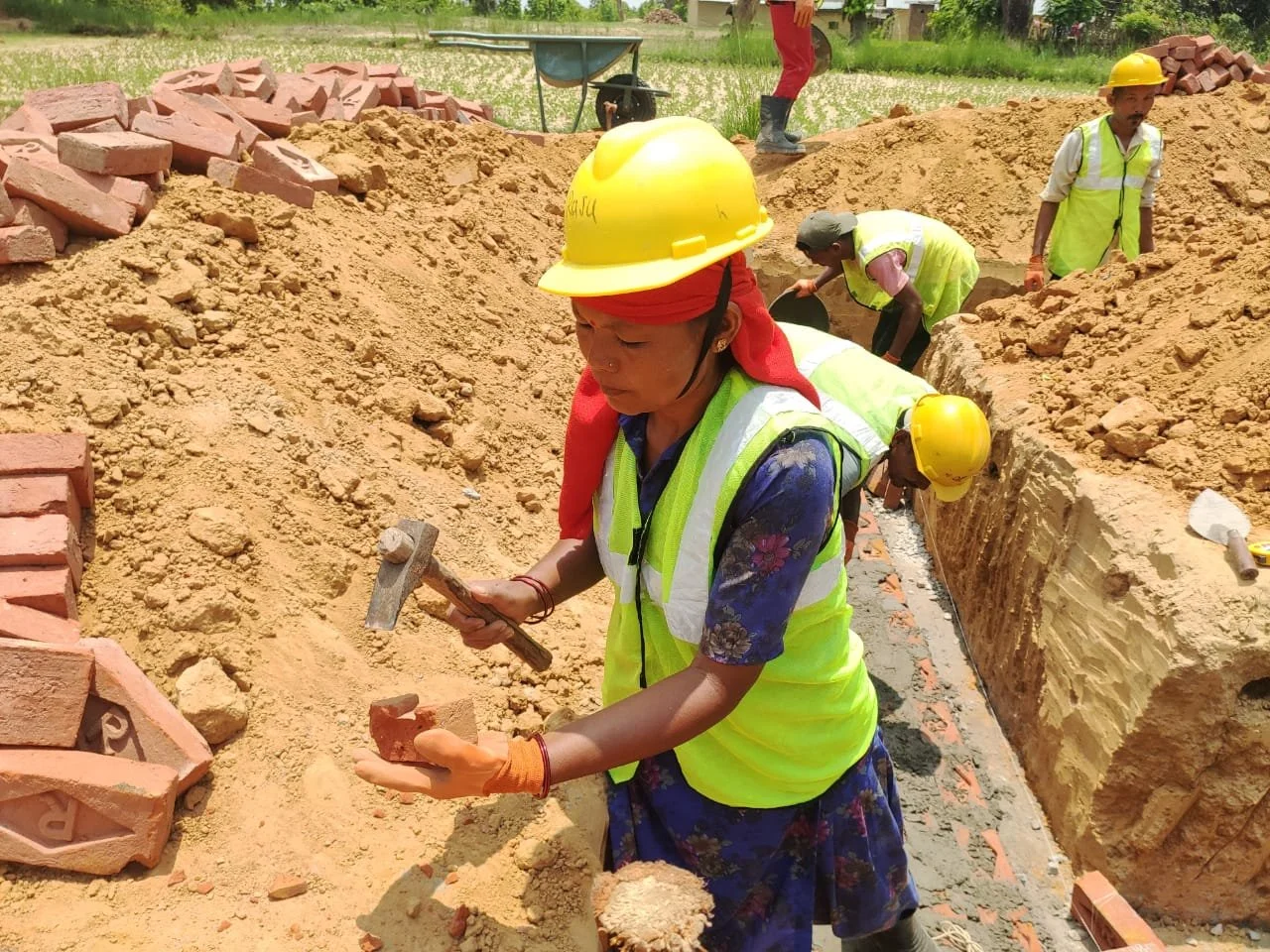
DISASTER-RESILIENT CONSTRUCTION SKILLS
Communities facing frequent natural disasters strengthened their ability to build safer homes through a more skilled and inclusive construction workforce.
In many parts of Nepal, homes are built without access to technical guidance or disaster-resilient practices, leaving families susceptible to earthquakes, floods, and landslides. At the same time, construction remains one of the most accessible income pathways in rural and peri-urban areas—yet women are severely underrepresented in the construction workforce. NIVAS addresses these gaps by using each construction site as a place of learning, strengthening practical skills while homes are actively being built.
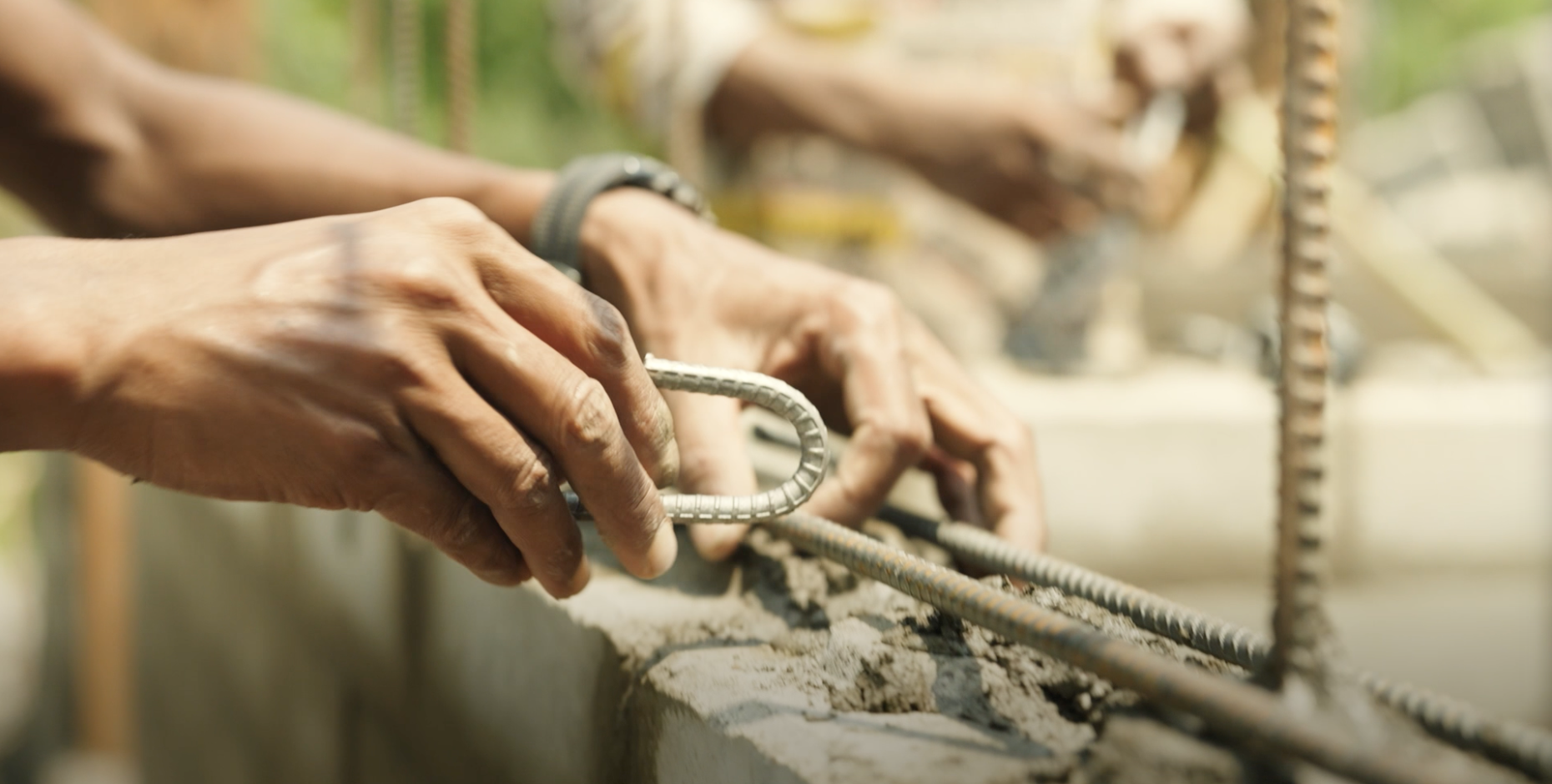
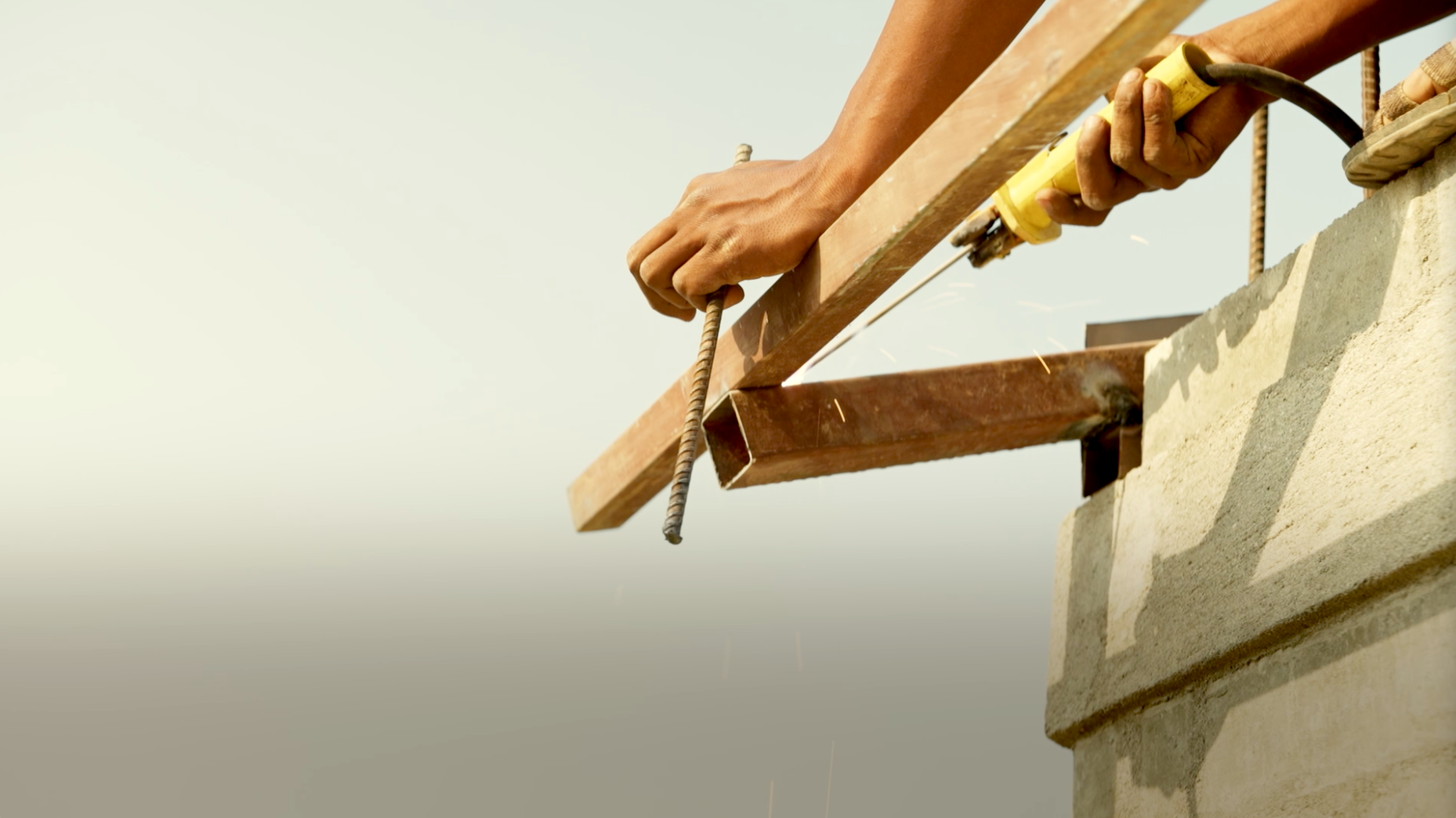
In 2025, over 600 people joined our construction orientation programs, spreading disaster-resilient knowledge to future homeowners and builders alike. In parallel, NIVAS continued to integrate on-the-job construction training into every home build. Through this program, 38 homeowners, local laborers, and aspiring contractors gained hands-on experience in construction competencies, including site preparation, masonry, steelwork, and carpentry. Learning took place through supervised practice and real-time problem solving, preparing participants for work beyond a single job site.
This model supports men and women participants in developing work-ready, market-relevant skills that can be applied across future construction projects. Many trainees are using this experience as an entry point into paid construction work, helping break long-standing barriers to women’s participation in the sector. By embedding applied skills training directly into housing projects, NIVAS contributed to safer building practices while expanding local access to income-earning opportunities and strengthening the broader construction workforce.
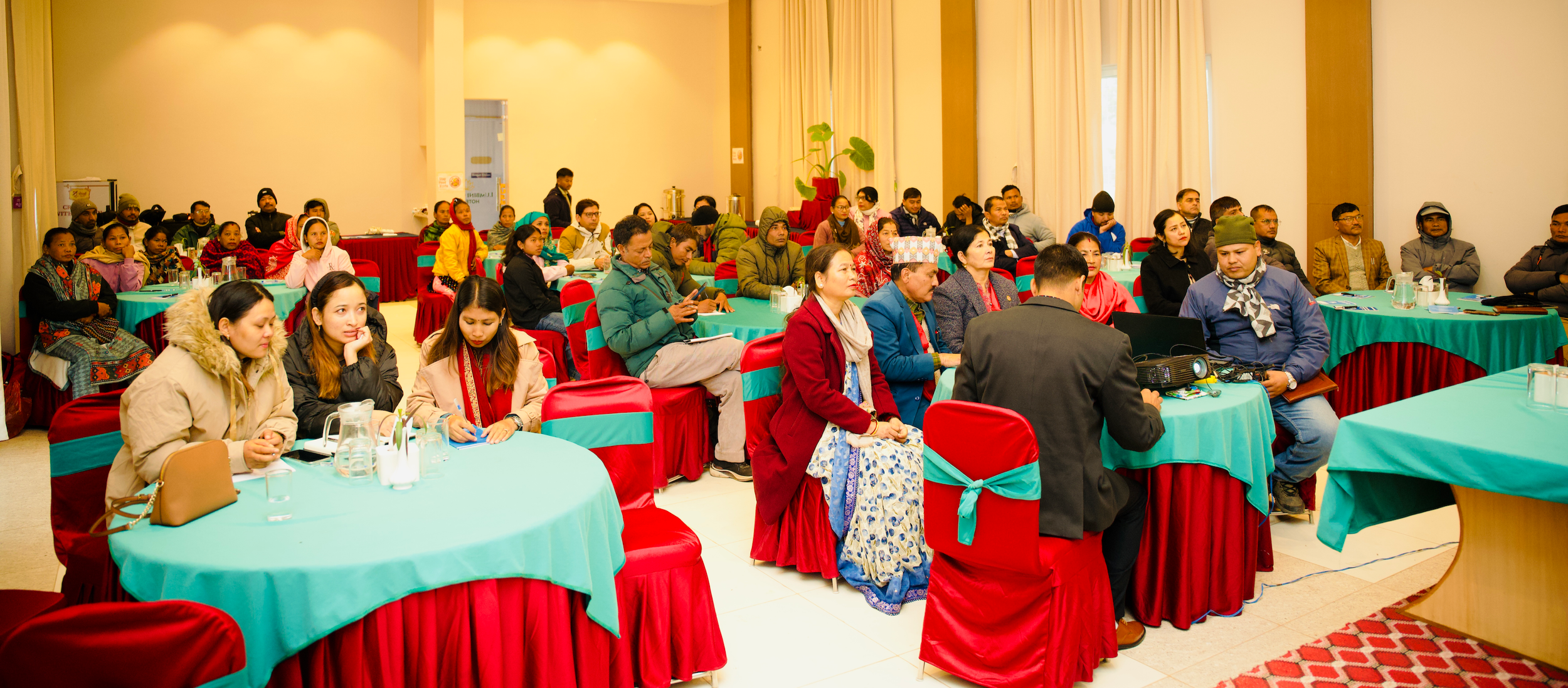
LAND & HOUSING ADVOCACY
Local governments and community institutions strengthened the systems that protect women’s access to land and housing.
Across Nepal, land and housing rights are shaped as much by local governance and implementation as by national law. Even where policies exist, gaps in awareness, coordination, and accountability can prevent women from securing and defending their rights. In response, NIVAS works hand-in-hand with local governments, institutions, and community to strengthen the support systems around families - improving how land and housing rights are understood and applied in practice.
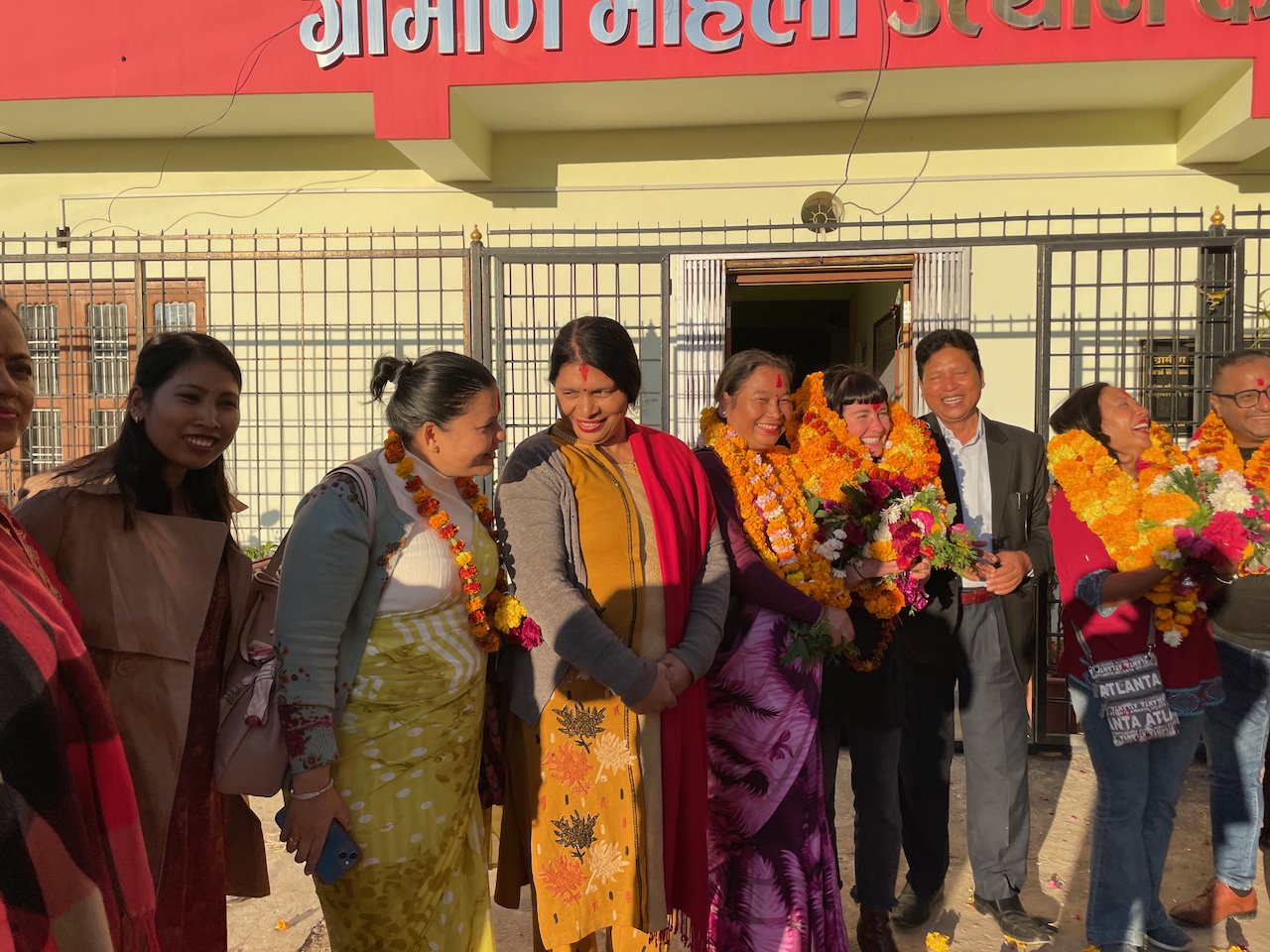
In 2025, NIVAS convened multi-stakeholder dialogues and working sessions that brought together municipal officials, ward representatives, cooperatives, and community leaders. These forums created space to examine barriers women face in land registration and housing access, align local procedures with national policy, and improve coordination between communities and government offices.
Through sustained engagement, local institutions improved their ability to respond to women’s land and housing needs with greater clarity and consistency, reinforcing accountability and supporting more equitable access to housing security over time.
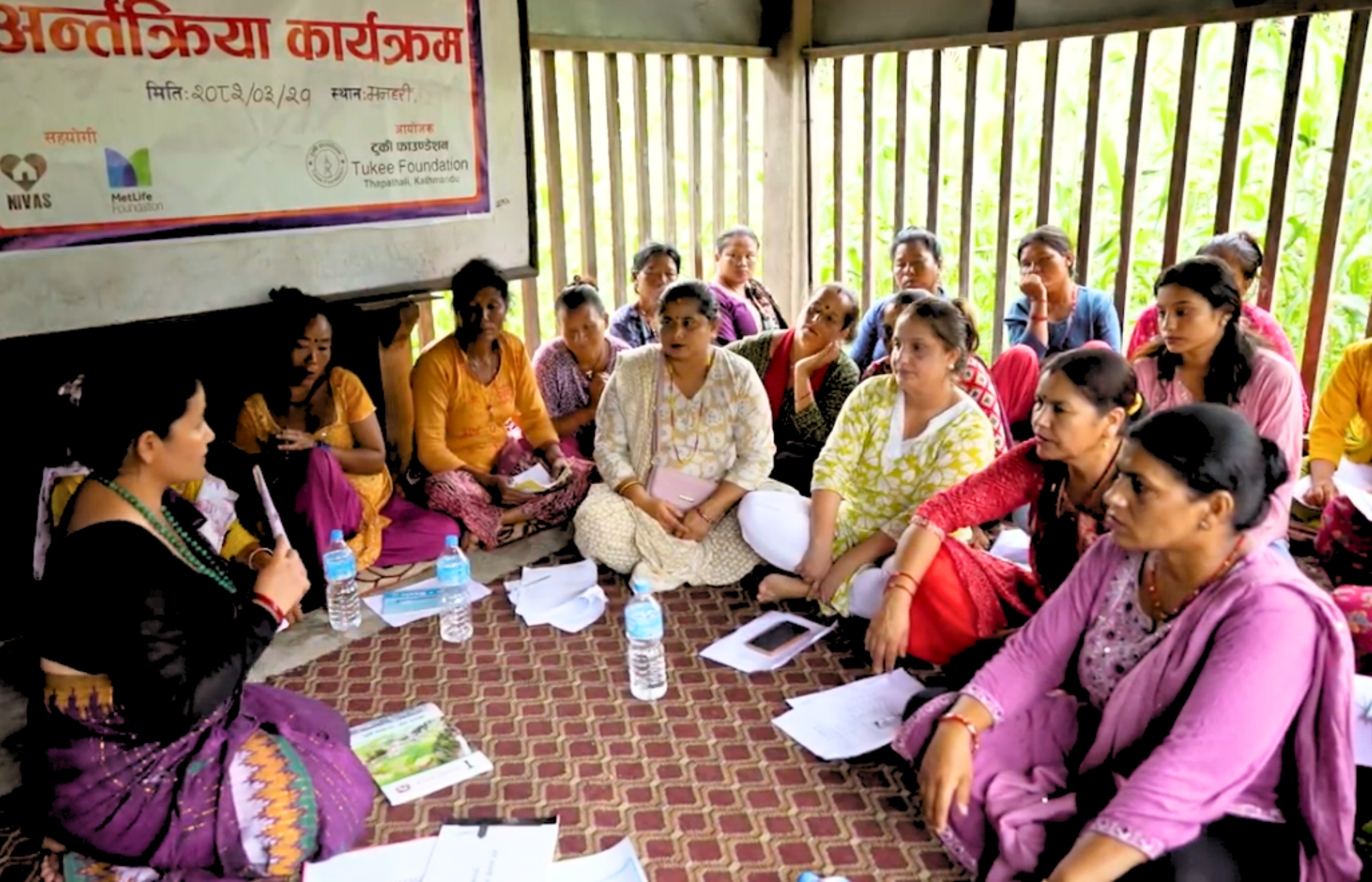
LAND & HOUSING RIGHTS TRAINING
Women gained the knowledge - and the leverage - to claim and protect their land and housing rights.
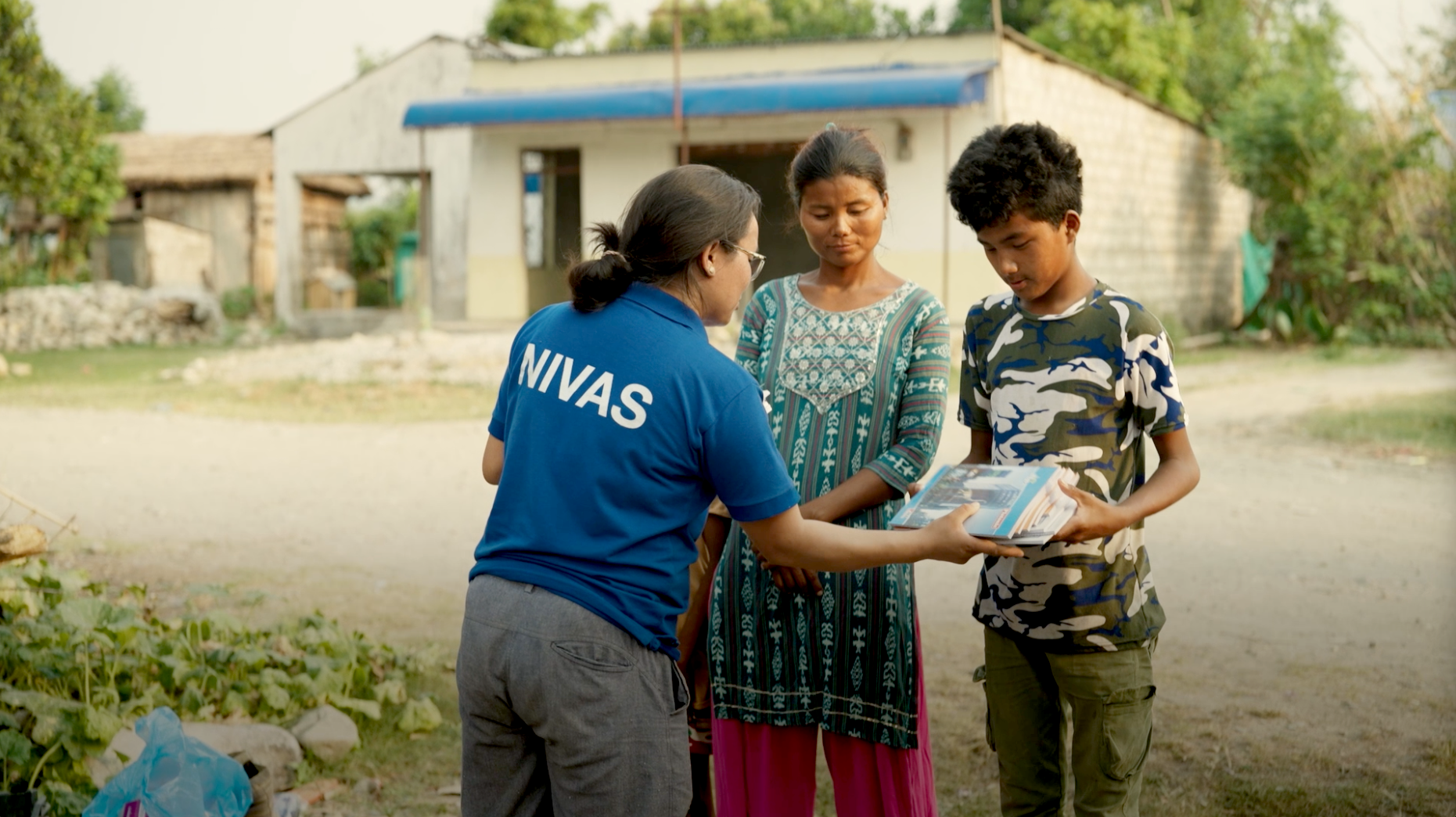
Nearly one in five Nepali children are being raised by single mothers. Yet across Nepal, fewer than 12% of households have a woman's name on both land and housing titles — and single mothers are even less likely to have this security. This gap in land and housing ownership places mothers and their children at heightened risk of eviction and displacement, creating cascading instability for families already working hard to survive and thrive.
In 2025, NIVAS responded by delivering a context-relevant Land and Housing Literacy curriculum, developed with and for the Indigenous communities it was designed to serve. Grounded in local realities and shaped by community input, the curriculum uses participatory exercises, simplified materials, and real-life scenarios to make land ownership, housing rights, and registration processes clear and actionable—particularly for women with limited access to formal education or legal support.
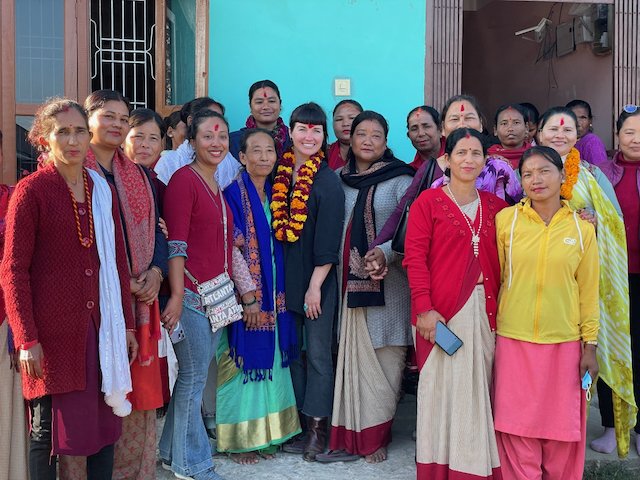
The program reached 680 women across 14 wards in five municipalities, strengthening confidence and capacity to begin their land and housing journey by engaging directly with land offices and local authorities. In July 2025, the impact of this work expanded dramatically when the Government of Nepal formally adopted the curriculum and disseminated it nationwide, making land and housing literacy resources available to municipalities across the country. What began as a community-driven effort is now embedded within national systems—extending access to knowledge far beyond the communities where the work first began.

INCOME & LIVELIHOOD STABILITY
Families strengthened their ability to sustain safe housing through income-generating skills and small enterprise development.
Secure housing is more durable when paired with reliable income. In Central Nepal, NIVAS supports families to strengthen their economic stability by offering practical income-generation trainings that respond to local market conditions and household realities. These trainings focus on skills that can be applied immediately and sustained over time, helping families move beyond short-term survival toward greater financial independence.
In 2025, 51 participants took part in income-generation trainings open to the broader community. Participants explored small-scale enterprises suited to rural and peri-urban contexts, including livestock-based livelihoods such as goat farming, as well as small retail and home-based businesses. Trainings emphasized basic business planning, risk awareness, and income management, enabling participants to assess opportunities realistically and make informed decisions.
For women homeowners, these skills were complemented by targeted seed capital infusions to help translate training into action. Income generated through small enterprises supports daily household needs, home maintenance, and helps families invest in their children. Together, livelihood skills and housing security reinforce one another, creating a more stable foundation for families as they plan for the future.

LOOKING AHEAD
Together, our FY2025 efforts reflect NIVAS’s commitment to strengthening housing security for families in ways that endure.
Together, our FY2025 efforts reflect NIVAS's commitment to strengthening housing security for families in ways that endure. By pairing resilient construction with land and housing rights training, local advocacy, and income support, NIVAS worked alongside women, families, and institutions to build foundations that last beyond a single home or project.
In 2026, we're doubling down on what works: expanding our land and housing rights training to reach even more Indigenous women while continuing to build homes and develop the disaster-resilient construction sector. We're also launching a more robust Monitoring, Evaluation, and Learning program to deepen our understanding of long-term impact. This enhanced approach will capture how housing stability affects family resilience, children's development, and economic mobility over time. With deeper data and clearer insights, we can refine our programs faster and advocate more effectively for the families and communities we serve.
As this work continues, NIVAS remains focused on practical, community-driven solutions that expand access to safe, legal, and resilient housing for families across Nepal, and on building the knowledge systems that make this impact sustainable for generations to come.
SPECIAL THANKS
IMPLEMENTING & COMMUNITY PARTNERS
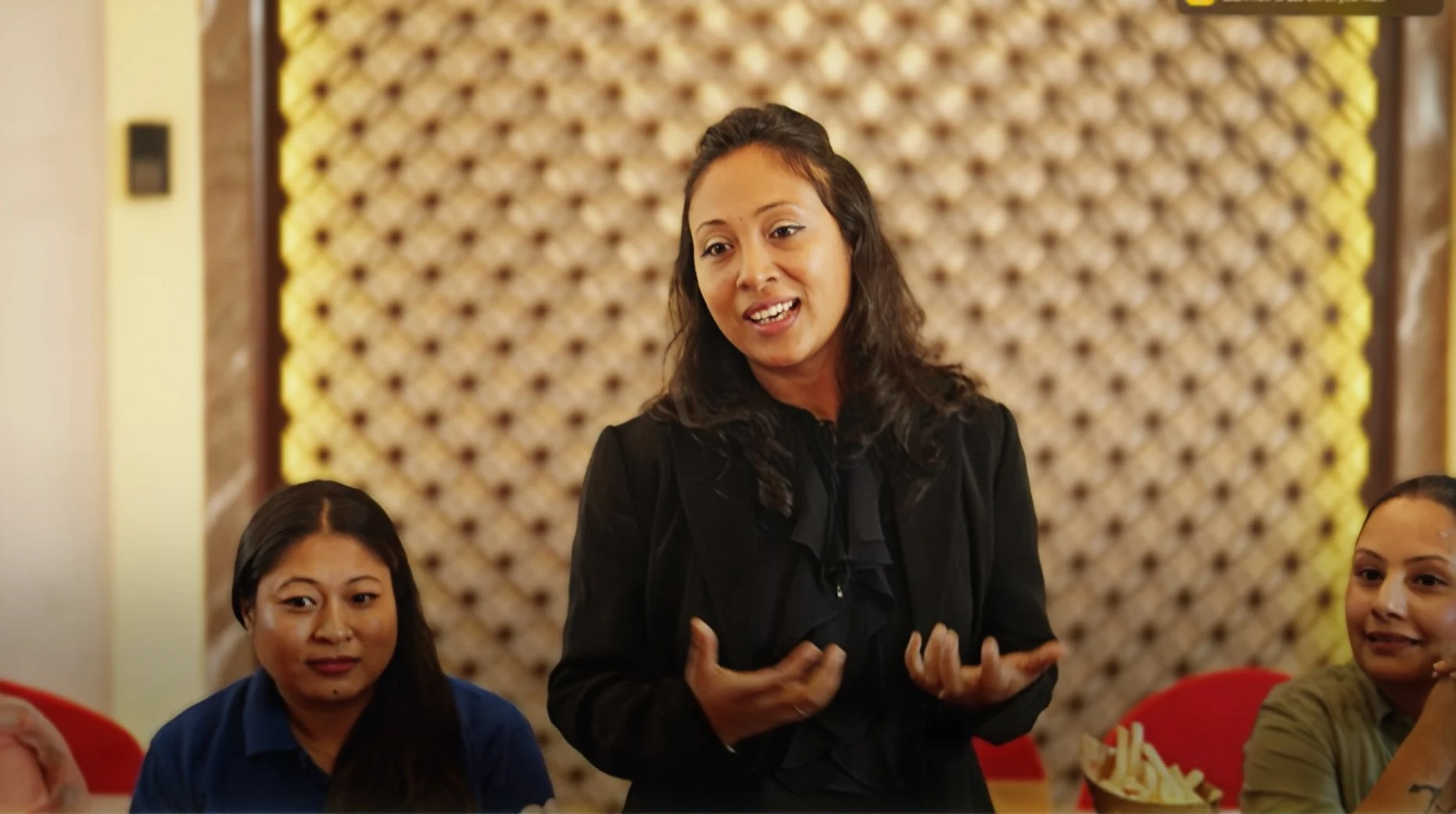
We are deeply grateful to our implementing and community partners in Nepal, whose local leadership, trust, and day-to-day collaboration turn ideas into action.
Tukee Foundation
Rural Women Development Center
Inclusive Designers & Builders
Gadhawa Rural Municipality
Manahari Rural Municipality
Rajpur Rural Municipality
Raksirang Rural Municipality
SPECIAL THANKS
Technical & Institutional Partners
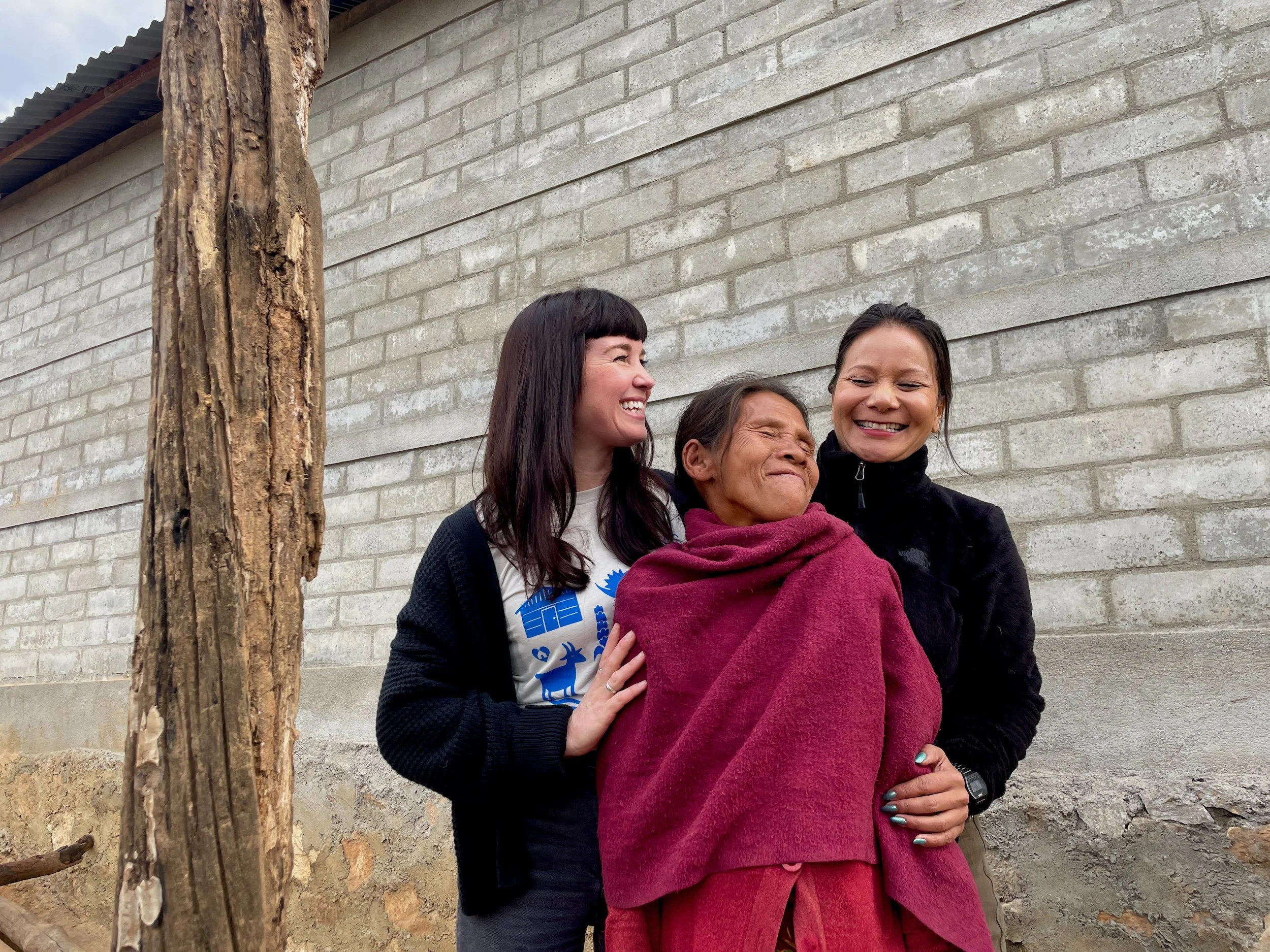
We thank our technical and institutional partners for their expertise and partnership in strengthening housing systems, policy alignment, and long-term impact.
Dharm Raj Joshi
Land Management Training Center
GoN Land Reform Commission

SPECIAL THANKS
Donor & Funding Partners
In FY2025, 165 individuals, businesses, and foundations invested nearly $300,000 in this work to build, train, and expand housing rights for families. Without these critical partnerships, we could not deliver on our goals. Your investment fueled real progress and helped families take meaningful steps toward lasting security. Our donors see the value in supporting families and for that we have the utmost appreciation. Your belief in the transformative power of stable housing is what fuels us. You are our foundation, our champions, and our family.
Building dignity, stability and opportunity - together.